
Paul’s Perspective:
This matters because AI is not just another software layer to bolt onto the business—it changes the economics of how companies coordinate, decide, and execute. Leaders who keep legacy structures in place may find that the real risk is not AI adoption itself, but running a 21st-century business with a 300-year-old management model.
Key Points in Video:
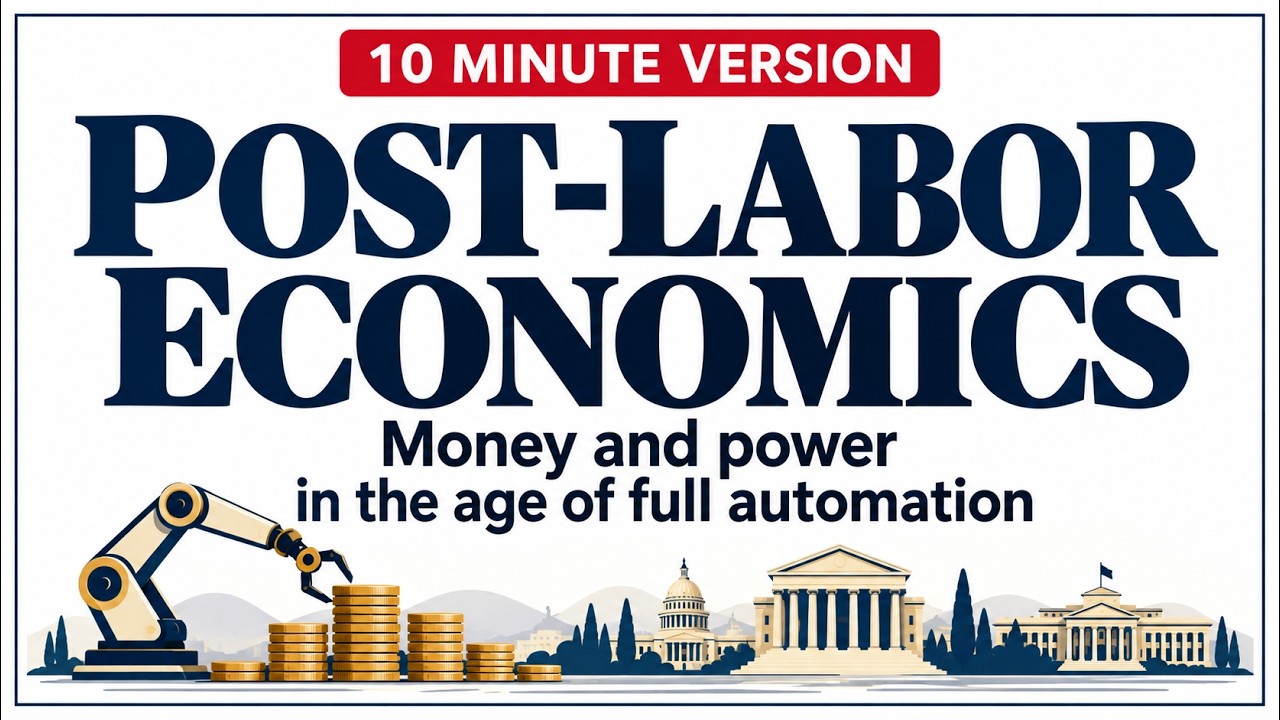
- The core argument is that many modern companies still operate like scarcity-era institutions built for expensive coordination and centralized control.
- AI is framed as complementary to human intelligence, meaning its biggest value comes from augmenting teams and workflows rather than simply replacing people.
- The video contrasts two weak responses—blocking AI entirely or embracing it with vague optimism—and argues for a deliberate structural response instead.
- A practical readiness framework is highlighted through eight dimensions designed to help leaders assess where their organization stands and where to begin.
- The discussion was expanded from a live session delivered to roughly 1,500 attendees, adding depth to points that originally received only brief treatment.
Strategic Actions:
- Assess your organization’s AI readiness across multiple operational and leadership dimensions.
- Stop treating AI as only a compliance or replacement issue and evaluate where it complements human work.
- Identify bottlenecks created by hierarchy, approval chains, and centralized decision-making.
- Redesign workflows so teams can make faster, better-informed decisions with AI support.
- Shift from vague optimism to a clear strategy for governance, adoption, and operating model change.
- Decide whether your company will preserve scarcity-era structures or evolve toward a more distributed, adaptive model.
The Bottom Line:
- AI is making coordination, decision support, and knowledge work far cheaper, which weakens the old rationale for slow hierarchies and approval-heavy org charts.
- Companies that redesign around faster, more distributed execution will be better positioned than those that either ban AI or adopt it without a real operating model shift.
Dive deeper > Source Video:
Ready to Explore More?
If you’re sorting out what AI should change in your structure, workflows, or leadership model, we can help. Our team works with companies to turn broad AI interest into practical operating changes that improve speed, clarity, and execution.