Paul’s Perspective:
This matters because it points to a more commercially viable version of additive manufacturing: less waste, fewer design constraints and more freedom to produce high-value parts that conventional methods handle poorly. For business leaders, it is a reminder that the next wave of manufacturing advantage may come from process innovation, not just faster machines.
Key Points in Video:
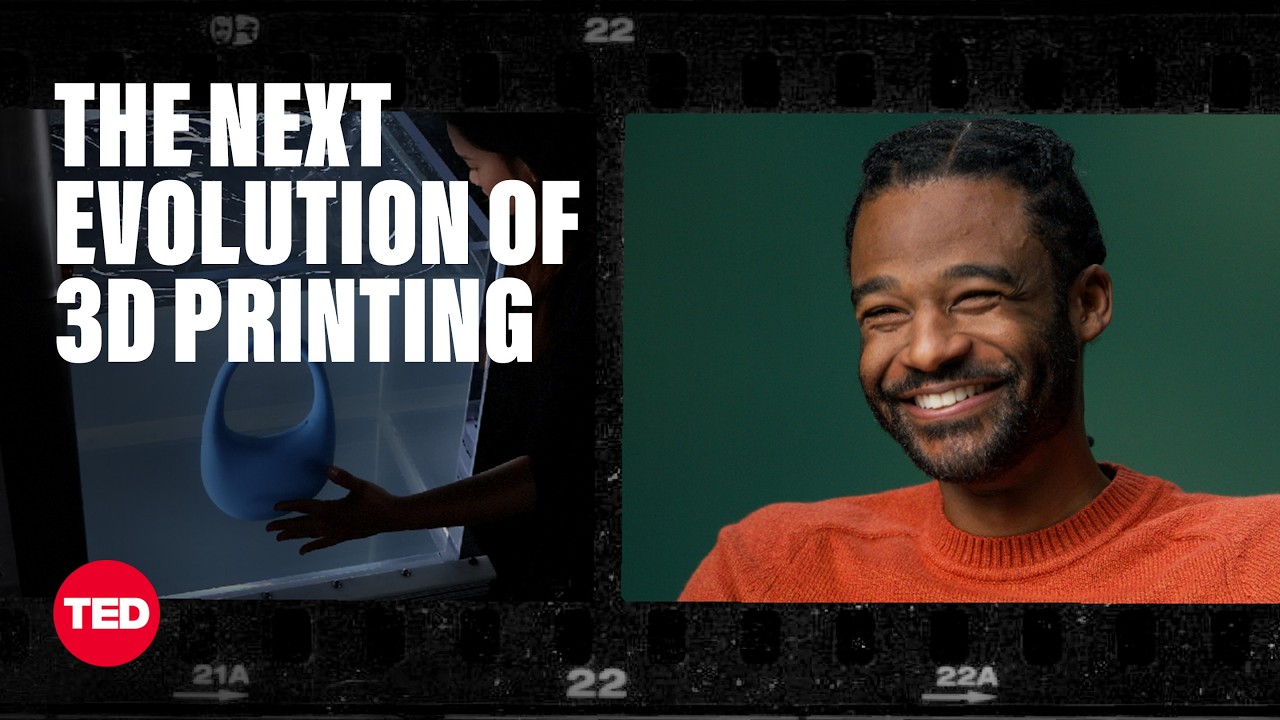
- Traditional 3D printing often excels at prototyping but struggles with production efficiency because complex shapes require support structures that add time, material use and post-processing.
- Printing directly into a gel suspension allows forms to be built in multiple directions without collapsing, opening the door to more intricate geometries.
- The approach has implications for sectors that need low-volume, high-value output, including custom medical applications, advanced apparel and space-related manufacturing.
- Reducing wasted material and secondary finishing steps could improve unit economics for specialized parts and shorten design-to-production cycles.
Strategic Actions:
- Recognize the limits of conventional 3D printing, especially its dependence on supports and resulting material waste.
- Use a gel-based medium to suspend printed objects during production and counter the effects of gravity.
- Design more complex, lightweight and customized structures that would be difficult to manufacture with standard additive methods.
- Apply the process to high-value use cases such as medical products, fashion pieces and aerospace components.
- Evaluate whether lower waste and reduced post-processing can improve production economics and speed.
The Bottom Line:
- A gel-based 3D printing method removes gravity as a manufacturing constraint, enabling complex objects to be formed with far less support material and waste.
- That shift could expand practical production across medical devices, fashion, aerospace and other industries where precision, customization and lighter structures matter.
Dive deeper > Source Video:
Ready to Explore More?
If you are weighing where emerging manufacturing technology fits in your business, we can help our team assess the practical use cases, economics and rollout path. We work with clients to turn promising ideas into clear operational decisions.