
Paul’s Perspective:
This matters because labor has been the foundation of both business cost structures and household income for generations. If that foundation changes, leaders will need to rethink how they build organizations, create value, price offerings, and prepare their teams for a very different economic environment.
Key Points in Video:
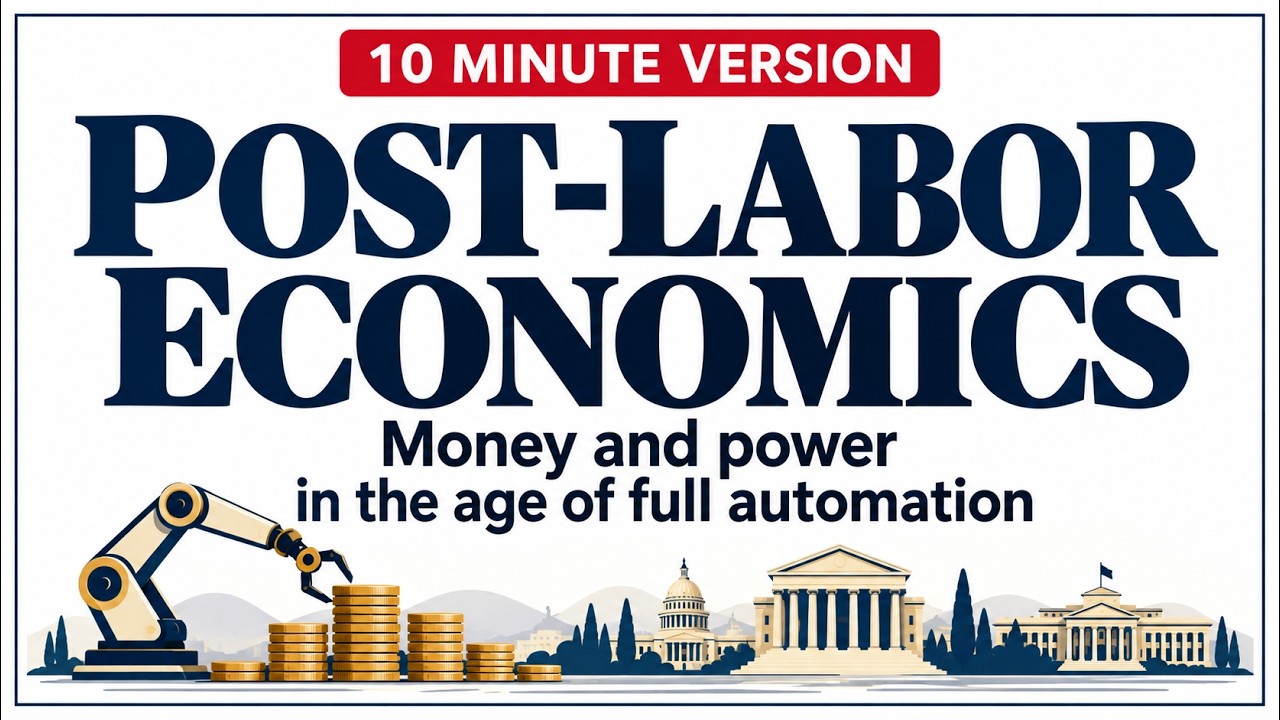
- The concept centers on a future where automation drives the marginal need for labor toward zero across more tasks and industries.
- This shift has implications beyond employment, affecting purchasing power, distribution of wealth, and how economic participation is defined.
- Leaders should pay attention to which functions are becoming partially automated versus fully automated, since the timing and impact will vary by process.
- The topic is especially relevant for companies evaluating long-term operating models, staffing strategies, and investment priorities tied to AI adoption.
Strategic Actions:
- Define what post-labor economics means in practical terms.
- Examine how AI and automation reduce reliance on human work.
- Consider the downstream effects on jobs, wages, and economic participation.
- Assess how businesses may need to adapt their operating and workforce models.
- Use the framework to think ahead about strategy, investment, and competitiveness.
The Bottom Line:
- As AI and automation reduce the need for human labor, the video outlines how that shift could reshape jobs, income, and the structure of the broader economy.
- For business leaders, it offers a useful lens on how workforce planning, value creation, and competitive advantage may change as labor becomes less central to production.
Dive deeper > Source Video:
Ready to Explore More?
If you’re weighing what AI and automation could mean for your business model, we can help our team work through the strategy, process, and implementation questions with you. We bring a practical, cross-functional approach to help companies adapt with clarity.