Paul’s Perspective:
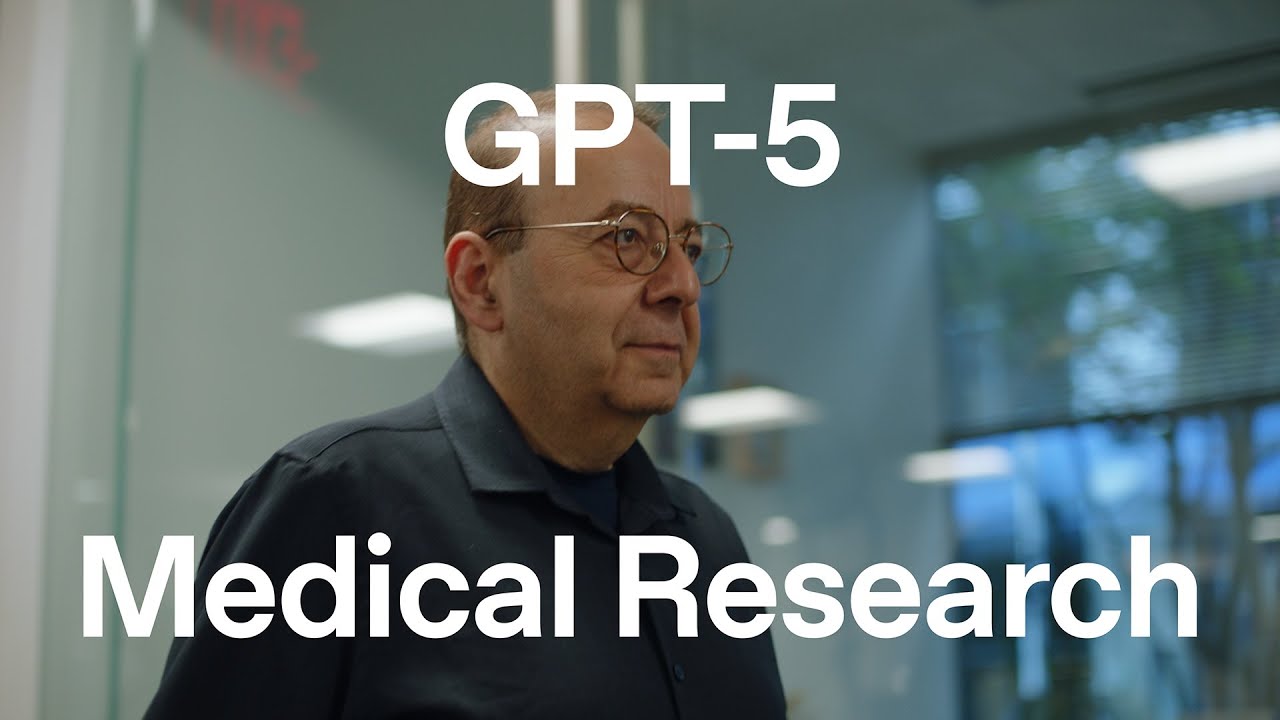
The integration of advanced AI like GPT-5 gives medical researchers a crucial edge in developing innovative solutions and staying ahead in a competitive field. Adopting this type of collaboration can help organizations unlock faster discoveries and maximize expert talent.
Key Points in Video:
- GPT-5 assists researchers in generating and refining hypotheses faster than traditional methods.
- It significantly reduces time spent on literature review by rapidly synthesizing large volumes of data.
- Medical professionals can leverage GPT-5 as a virtual collaborator, improving workflow efficiency.
- Early adopters report notable productivity gains and the ability to focus on complex, high-value problems.
Strategic Actions:
- Leverage GPT-5 for instant idea and hypothesis creation.
- Use the AI to quickly synthesize relevant medical literature and data.
- Integrate AI into the research workflow as a supportive partner, not just a tool.
- Shift researcher focus to complex, high-value tasks by automating routine analysis.
- Continuously review productivity gains and refine the use of AI for optimal results.
The Bottom Line:
- GPT-5 is accelerating medical research by offering real-time idea generation and hypothesis testing support.
- This technology enables researchers to streamline their discovery process and spend more time on high-impact scientific work.
Dive deeper > Source Video:
Ready to Explore More?
We work alongside teams looking to harness new AI capabilities in their research or workflow. Let’s chat about how our collaborative expertise can help your organization move faster and achieve better outcomes.