Paul’s Perspective:
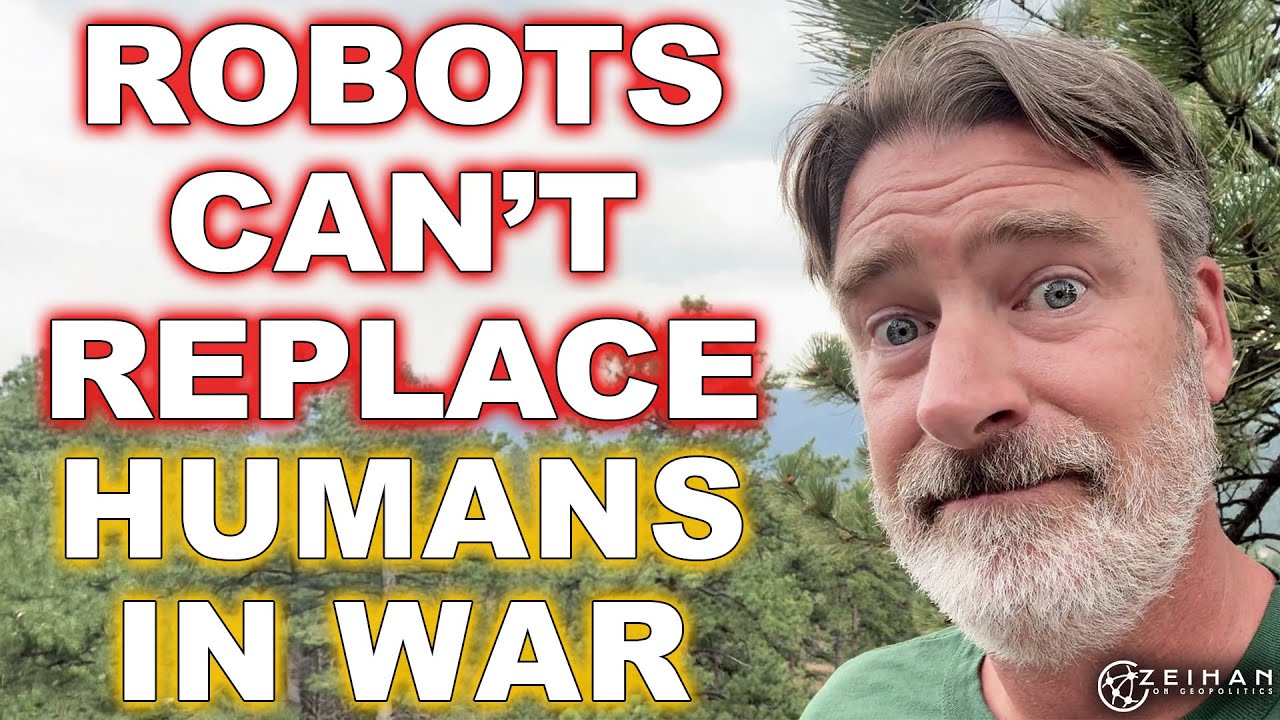
Understanding the gradual but significant shift toward automated warfare is essential, as it will inevitably influence global stability, operational risk management, and even commercial technology transfer. Business leaders must anticipate both the disruptive potential and the regulatory landscapes that such advancements may generate, preparing their organizations for wider impacts beyond the battlefield.
Key Points in Video:
- The pace of automation in military conflict is incremental, not explosive.
- Adoption of autonomous systems is highly dependent on national priorities, technological integration, and operational environments.
- AI-driven technologies are not only about weaponry, but also logistics, intelligence, and command infrastructure.
- Market and legal frameworks lag behind the rapidly evolving capabilities of machine-driven systems.
Strategic Actions:
- Assess the current capabilities of automation and AI within defense and security sectors.
- Monitor the adoption pace and implementation strategies across different nations and organizations.
- Evaluate ethical, legal, and regulatory considerations for autonomous systems.
- Consider the transferability of military AI and automation advances to civilian and commercial applications.
- Prepare for operational, security, and competitive impacts emerging from these technological shifts.
The Bottom Line:
- Automation and AI are steadily changing the strategies and tools used in modern warfare.
- This evolving landscape is shaping new security challenges and ethical questions for business leaders and policymakers alike.
Dive deeper > Source Video:
Ready to Explore More?
We work alongside you to make sense of new technologies and their implications, helping you turn complex change into practical strategies for your business. If you’re considering how automation and AI trends could affect your organization, let’s connect to explore options together.