Paul’s Perspective:
This matters because many companies are being sold the idea that AI can collapse the effort, cost, and expertise required to build dependable software. If decision-makers buy that narrative too quickly, they risk funding fragile solutions, creating avoidable technical debt, and putting customer experience and operations at risk.
Key Points in Video:
- The message pushes back on ad-driven hype rather than the underlying technology itself.
- The main risk is business teams underestimating the complexity of testing, security, maintainability, and real-world deployment.
- Overreliance on AI-generated code can shift costs downstream into debugging, rework, and operational issues.
- For owners and executives, the bigger concern is governance: who validates the output, owns the risk, and supports the result over time.
Strategic Actions:
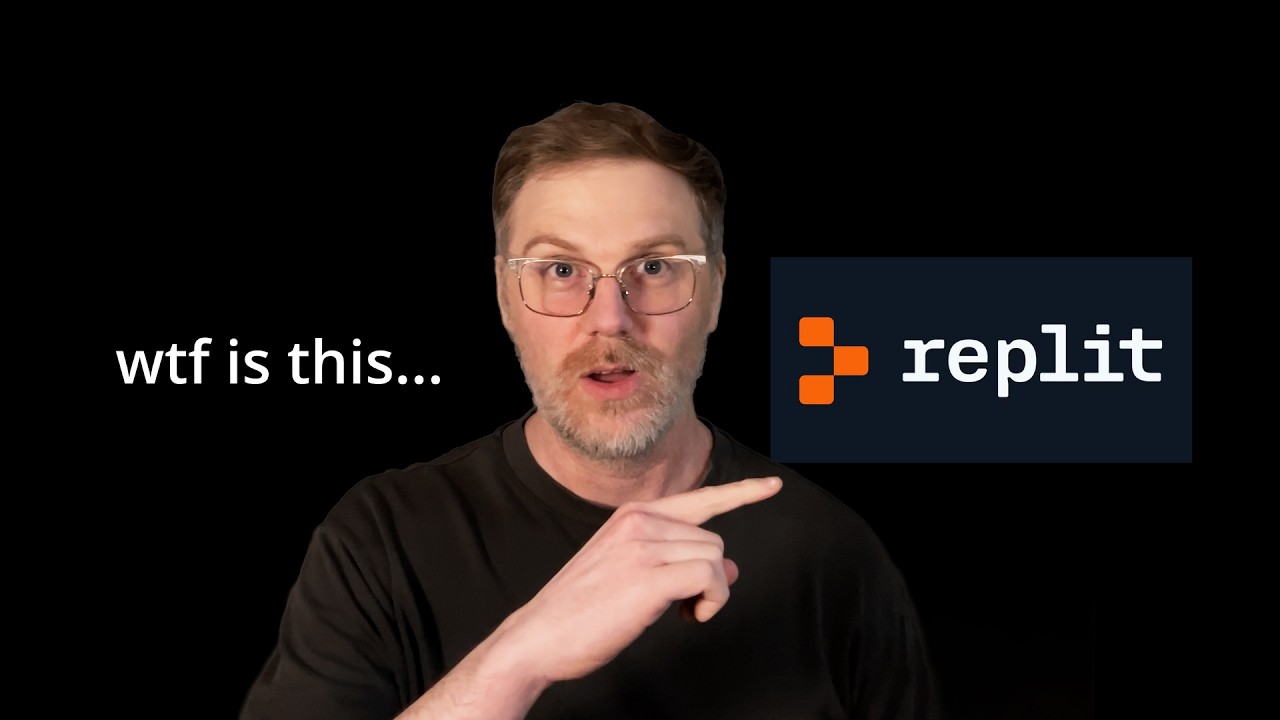
- Question the marketing claims behind “vibe coding” tools.
- Separate genuine productivity gains from unrealistic promises about replacing skilled development work.
- Evaluate the hidden requirements, including testing, security review, documentation, and maintenance.
- Assign clear ownership for validating AI-generated output before it reaches production.
- Use AI coding tools to support capable teams, not to remove process controls or accountability.
The Bottom Line:
- The core issue is that “vibe coding” marketing can make software creation look easier, faster, and safer than it really is for most businesses.
- Leaders should treat these tools as productivity aids, not replacements for technical judgment, process discipline, and accountability.
Dive deeper > Source Video:
Ready to Explore More?
If your team is weighing AI-assisted development, we can help you sort out where it adds value and where stronger process is still needed. We work together with clients to make these tools practical, controlled, and useful for the business.