Paul’s Perspective:
This matters because the economics of AI are changing quickly. When open models become strong enough for real business use, companies gain leverage: they can compare cost, privacy, speed, and flexibility more strategically instead of defaulting to a handful of closed providers.
Key Points in Video:
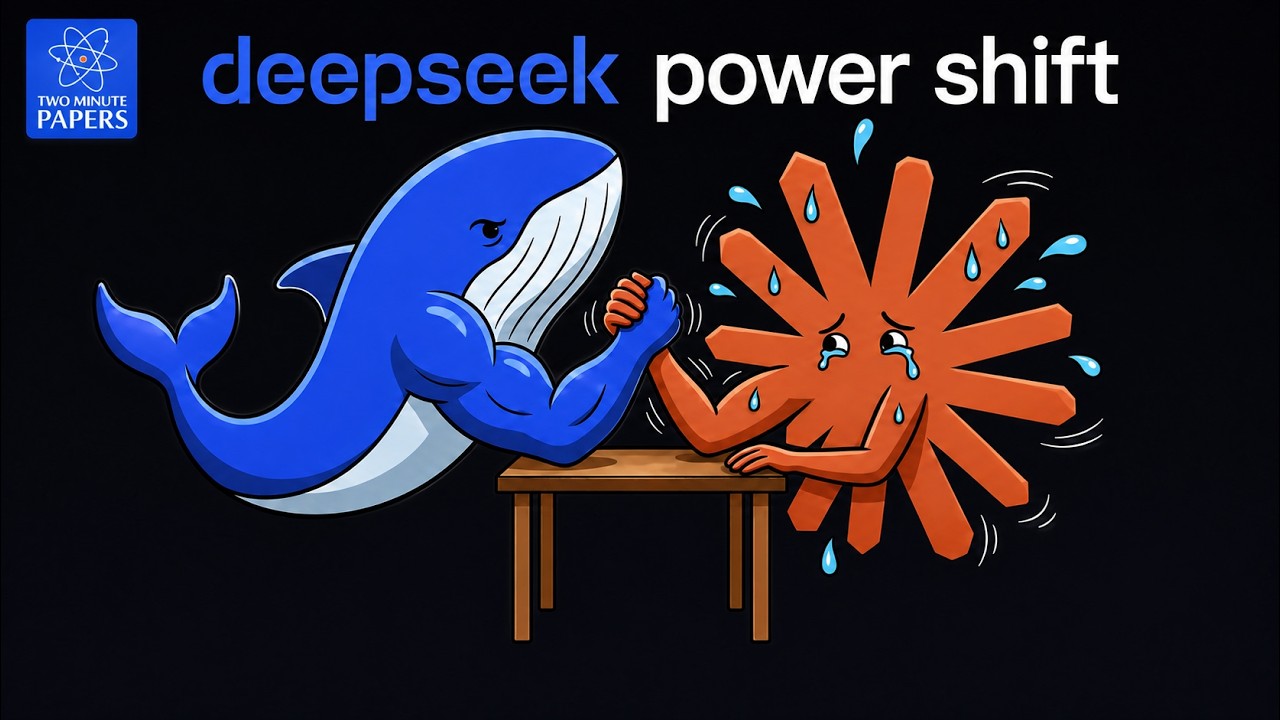
- The model highlighted is DeepSeek V4 Pro 0813, an openly available release that adds pressure on closed-model vendors to justify premium pricing.
- Open-weight access can give teams more control over deployment, customization, governance, and performance tuning than API-only options.
- The shift matters most for companies evaluating AI ROI, because model quality is improving while barriers to experimentation continue to fall.
- Competitive open models can accelerate internal pilots by reducing vendor lock-in and expanding infrastructure choices, including private and cloud environments.
Strategic Actions:
- Assess whether open models now meet your core business use cases.
- Compare proprietary and open options on cost, quality, latency, and data control.
- Run a limited pilot in a contained workflow to measure practical performance.
- Review infrastructure options for hosting, security, and scaling.
- Decide where reduced vendor lock-in could improve your long-term AI strategy.
The Bottom Line:
- DeepSeek’s latest open model is narrowing the gap with leading proprietary AI, showing that high-performance systems no longer have to stay behind closed doors.
- For business leaders, that means more choice, faster experimentation, and the potential to lower AI costs without giving up meaningful capability.
Dive deeper > Source Video:
Ready to Explore More?
If you are weighing open versus closed AI for your business, we can help our team assess the tradeoffs and map out a practical path that fits your goals, budget, and operations.