Paul’s Perspective:
This matters because AI is moving from a tool people occasionally test to an operating layer they may use all day across devices and workflows. Leaders who understand both the usability gains and the trust risks will be better prepared to set policy, choose platforms, and guide adoption responsibly.
Key Points in Video:
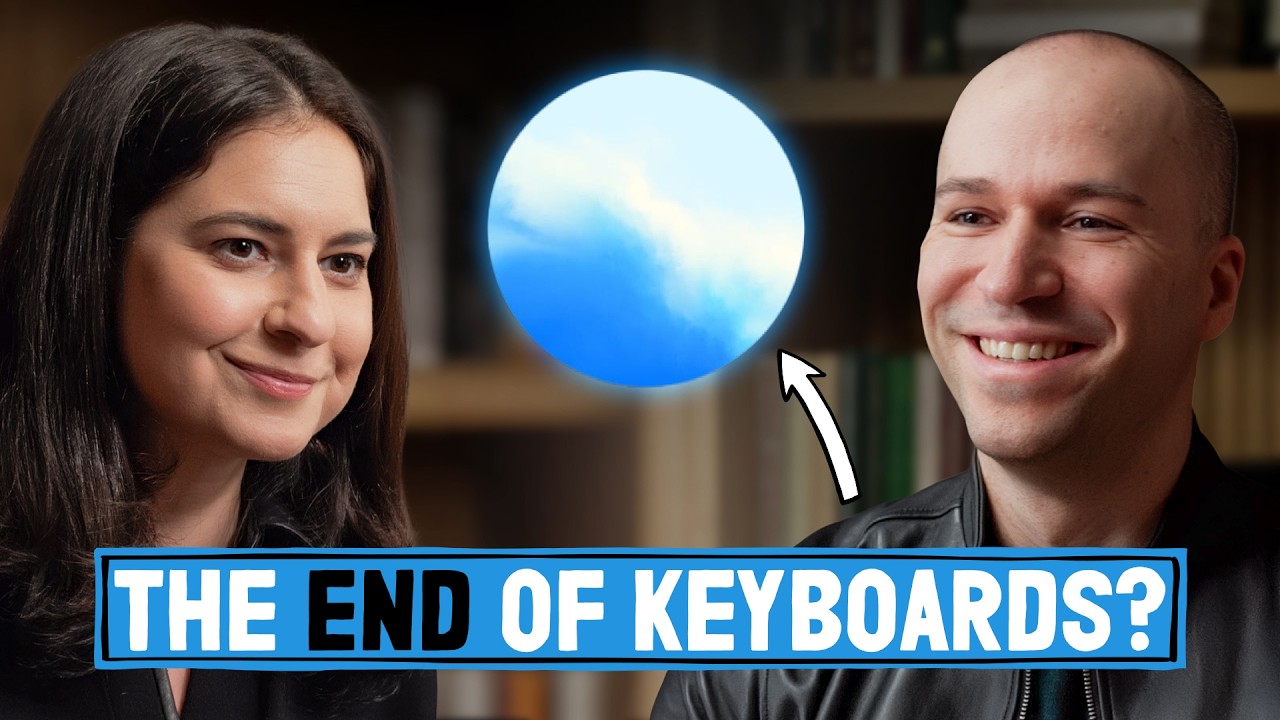
- The discussion spans voice AI, desktop redesign, AI hardware plans, legal scrutiny, and privacy controls in a roughly 21-minute interview.
- Voice interaction is framed as a major interface shift, with demos showing more natural back-and-forth conversations than traditional text prompts.
- OpenAI is positioning a broader product ecosystem, including ChatGPT and Codex apps, rather than a single standalone assistant.
- Trust issues surface repeatedly through topics like incognito mode, user backlash, and questions about how AI systems behave online.
Strategic Actions:
- Assess how voice-based AI could improve internal workflows, customer interactions, or hands-free productivity.
- Review desktop AI use cases where faster access to assistance can reduce friction for teams.
- Track emerging AI device strategies that may reshape computing beyond the browser and smartphone.
- Evaluate privacy, incognito, and data-handling controls before broader deployment.
- Monitor legal and reputational risks as AI providers face greater scrutiny from users, partners, and regulators.
- Build adoption plans around trust, governance, and clear employee guidelines rather than novelty alone.
The Bottom Line:
- OpenAI is pushing beyond chatbots toward voice-first computing, desktop workflows, and new AI devices that could change how people interact with software.
- For business leaders, the bigger issue is whether faster, more human AI experiences can earn enough trust to become part of daily work.
Dive deeper > Source Video:
Ready to Explore More?
If you are sorting through where AI fits in your business, we help teams evaluate the practical use cases, governance needs, and rollout strategy. We can work with your team to turn the promise into a plan that makes sense operationally.