
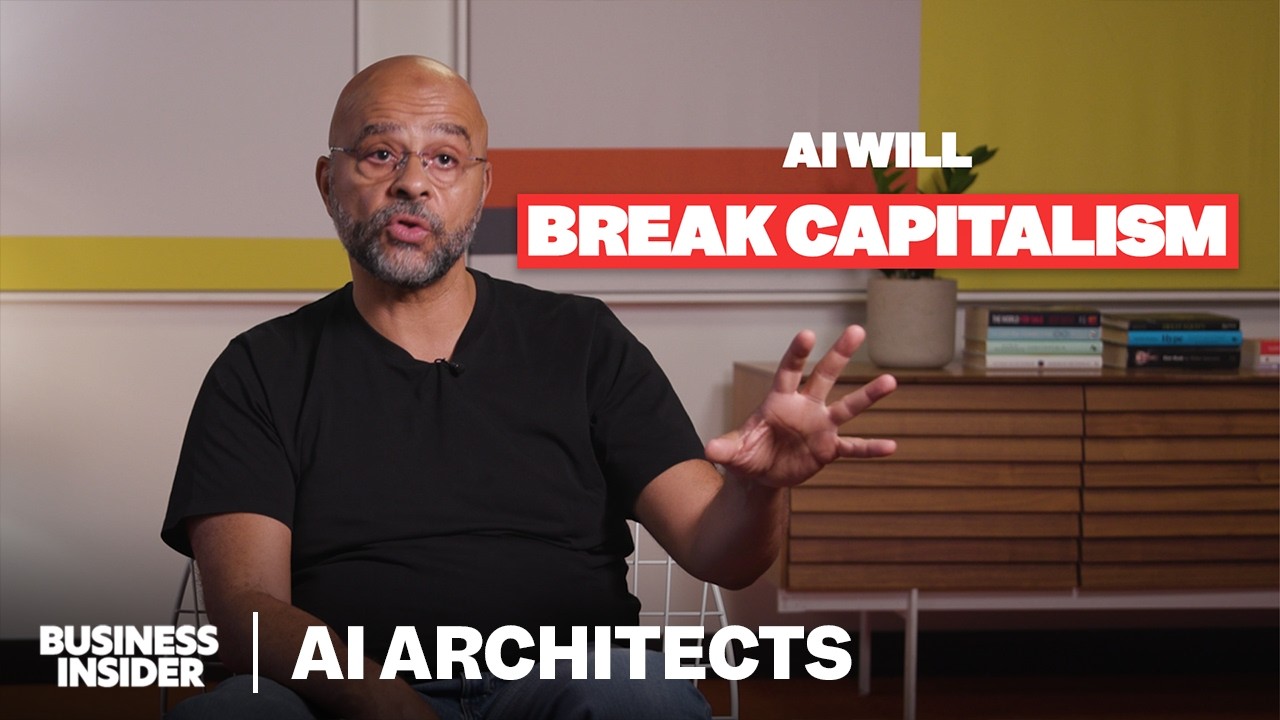
Paul’s Perspective:
This isn’t just a technology adoption story; it’s a governance and resilience story. Companies that treat AI as a “tool rollout” will be exposed to reputational risk, security threats, and operating-model disruption, while leaders who put clear guardrails, incentives, and change management in place can capture productivity gains without betting the business on uncontrolled autonomy.
Key Points in Video:
- Core warning: capability growth matters, but intent and incentives matter more—bad objectives scale faster than safety controls.
- Real-world agency accelerates once AI is paired with robotics and autonomous systems, turning digital decisions into physical outcomes.
- Expect multi-year disruption: roles, wages, and pricing models get pressured as marginal costs for knowledge work fall.
- Risk surface expands beyond IT into brand trust, compliance, and security (misinformation, deepfakes, targeted influence, and automated cyber conflict).
Strategic Actions:
- Reframe AI as an adaptive intelligence, not just software, and plan for rapid capability improvement.
- Prioritize misuse scenarios: persuasion, misinformation, surveillance, cyber conflict, and automated warfare dynamics.
- Assess where “agency” could enter your business (autonomous workflows, robots, connected systems) and set strict boundaries.
- Prepare for workforce disruption with reskilling, role redesign, and process automation roadmaps.
- Model economic impacts as costs trend toward zero in some domains; revisit pricing, margins, and value creation.
- Establish governance: policies, human-in-the-loop controls, security testing, and accountability for AI outcomes.
- Align the system with better objectives (ethics, safety, customer trust) so scale doesn’t amplify the wrong incentives.
The Bottom Line:
- As AI shifts from a software tool to an adaptive intelligence with real-world agency, the biggest near-term risk is how people deploy it for persuasion, misinformation, surveillance, cyberattacks, and warfare.
- Leaders should prepare for a turbulent transition as automation disrupts jobs and economics, potentially forcing a rethink of capitalism as costs trend toward near-zero in an “abundance” era.
Dive deeper > Source Video:
Ready to Explore More?
If you’re sorting out how to use AI without creating new risk, we can help you and your team set practical guardrails, security checks, and an automation roadmap that fits how you actually operate. Our team can work alongside yours to prioritize high-ROI use cases while protecting customers, data, and brand trust.