
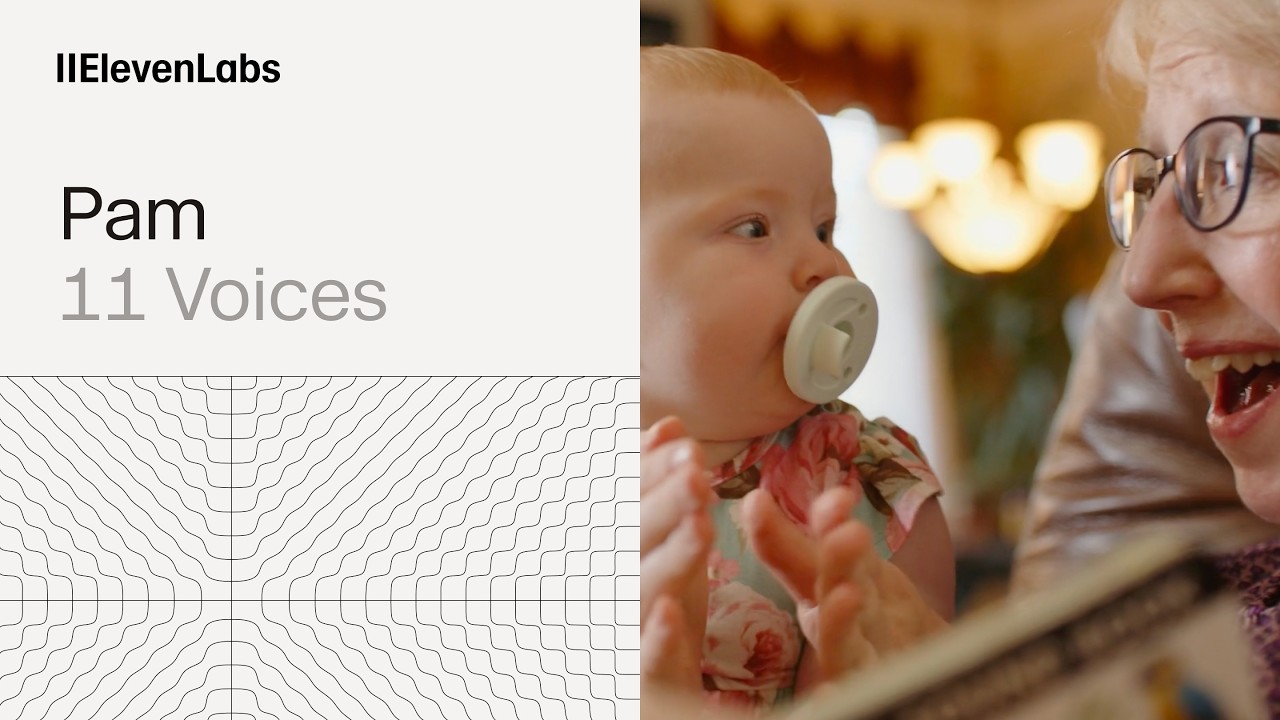
Paul’s Perspective:
For patient-facing work, a familiar voice is more than convenience; it’s a trust signal that directly affects how people receive guidance, comfort, and care. Leaders who understand this use case will be better prepared to evaluate AI as an accessibility investment, set responsible policies, and support employees whose communication is mission-critical to the organization.
Key Points in Video:
- Shows a real-world assistive-tech use case inside a hospital chaplaincy role, not a lab demo.
- Highlights “voice preservation” as an accessibility layer that can be integrated into existing care workflows.
- Frames AI voice as a continuity tool for patient-facing roles where rapport and empathy are essential.
- Part of the ElevenLabs Impact Program’s “11 Voices” documentary series, underscoring broader adoption beyond entertainment.
Strategic Actions:
- Identify roles where a person’s voice is central to their work (clinical, counseling, customer-facing, leadership).
- Capture and preserve voice early, before speech deterioration becomes severe.
- Deploy an AI voice solution that can speak in the individual’s own voice for day-to-day conversations.
- Integrate the tool into existing care or service workflows so communication remains natural and timely.
- Establish consent, privacy, and usage guidelines to prevent misuse and protect patient/employee trust.
The Bottom Line:
- AI voice technology can help people with ALS keep communicating in their own voice, preserving identity and trust in sensitive patient conversations.
- In healthcare settings, that continuity supports better care, compassion, and connection even as speech abilities change.
Dive deeper > Source Video:
Ready to Explore More?
If you’re exploring AI voice or other assistive AI tools for customer- or patient-facing teams, we can help you evaluate options and design a practical rollout. Our team can map the workflow, risks, and ROI so it strengthens service quality without creating new compliance headaches.