
Paul’s Perspective:
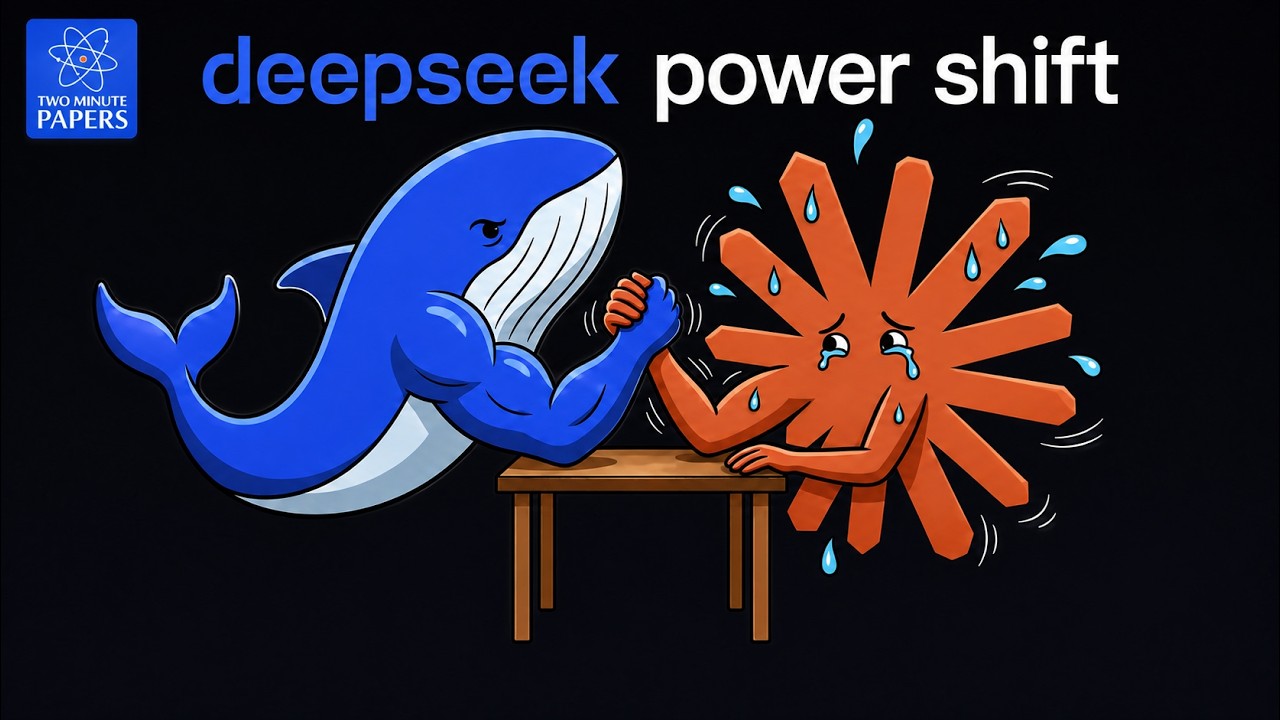
This matters because AI economics often determine whether a project stays in pilot mode or becomes part of daily operations. When model costs fall, the conversation shifts from whether a business can afford AI to where it can create the most value fastest.
Key Points in Video:
- Lower per-use costs can expand viable use cases across customer support, internal knowledge tools, content operations, and workflow automation.
- Price changes matter most for high-volume teams, where even modest cost reductions can meaningfully improve margins at scale.
- Cheaper access to stronger models can reduce the tradeoff between performance and affordability, allowing businesses to standardize on more capable AI.
- Falling model costs typically accelerate experimentation, shorten payback periods, and make pilot programs easier to justify.
Strategic Actions:
- Review current AI usage and identify workflows where model cost is limiting adoption.
- Recalculate unit economics for high-volume AI tasks such as support, summarization, and content generation.
- Test whether a lower-cost frontier model can replace a weaker model without sacrificing output quality.
- Expand pilots into production where reduced pricing improves ROI and payback timing.
- Set governance around usage, performance, and spend so scaling remains efficient.
The Bottom Line:
- Lower pricing for a frontier model can materially improve the ROI of AI adoption by making advanced capabilities more accessible for everyday business workflows.
- As cost barriers drop, more companies can test, scale, and automate use cases without the same budget pressure or usage constraints.
Dive deeper > Source Video:
Ready to Explore More?
If you want to turn lower AI costs into practical gains, we can help assess the best use cases and build a rollout plan with our team. We work alongside clients to align the technology, workflows, and economics so the investment makes sense.