Paul’s Perspective:
This matters because the biggest obstacle in hands-on STEM learning is often the time and complexity required to get started. A faster path to a functioning robot can improve student engagement, increase instructional efficiency, and make robotics programs more practical for schools that want measurable skill development without adding unnecessary friction.
Key Points in Video:
- Designed to bring competition-style robotics into regular class time instead of requiring extensive extracurricular commitment.
- Supports students of all skill levels, lowering barriers to entry for beginners while still allowing room for advanced iteration.
- Emphasizes faster startup so educators can spend more time on testing, refinement, and applied learning.
- Connects classroom activity to real workforce skills such as design thinking, troubleshooting, collaboration, and technical execution.
Strategic Actions:
- Introduce competition-style robotics into standard classroom instruction.
- Reduce setup complexity so students can reach a working robot faster.
- Use the time saved for iteration, testing, and improvement.
- Engage students across a range of skill levels with accessible hands-on learning.
- Build practical career skills through real engineering and problem-solving experiences.
The Bottom Line:
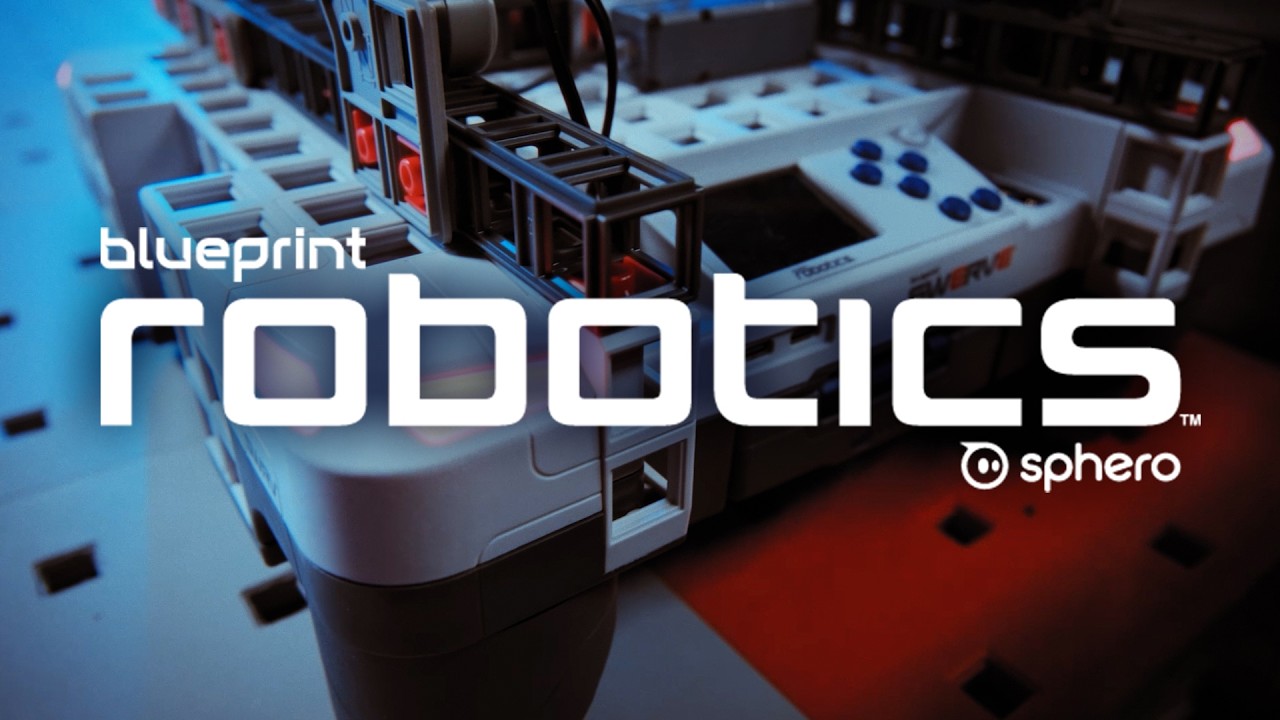
- Blueprint Robotics helps students get to a working robot quickly, reducing setup time so more class time goes to iteration and skill development.
- That makes robotics instruction more accessible across skill levels while building practical, career-relevant experience in engineering and problem-solving.
Dive deeper > Source Video:
Ready to Explore More?
If you are exploring how to bring more practical technology learning into your organization or community, we can help our team think through the strategy, tools, and rollout. We work with clients to turn promising ideas into useful, well-executed programs.