Paul’s Perspective:
When communication breaks down, everything else gets harder: care coordination, work participation, relationships, and personal autonomy. Practical, reliable thought-to-speech would be a step-change in assistive tech, shifting from slow, fatiguing workarounds to more natural interaction for patients and their families.
Key Points in Video:
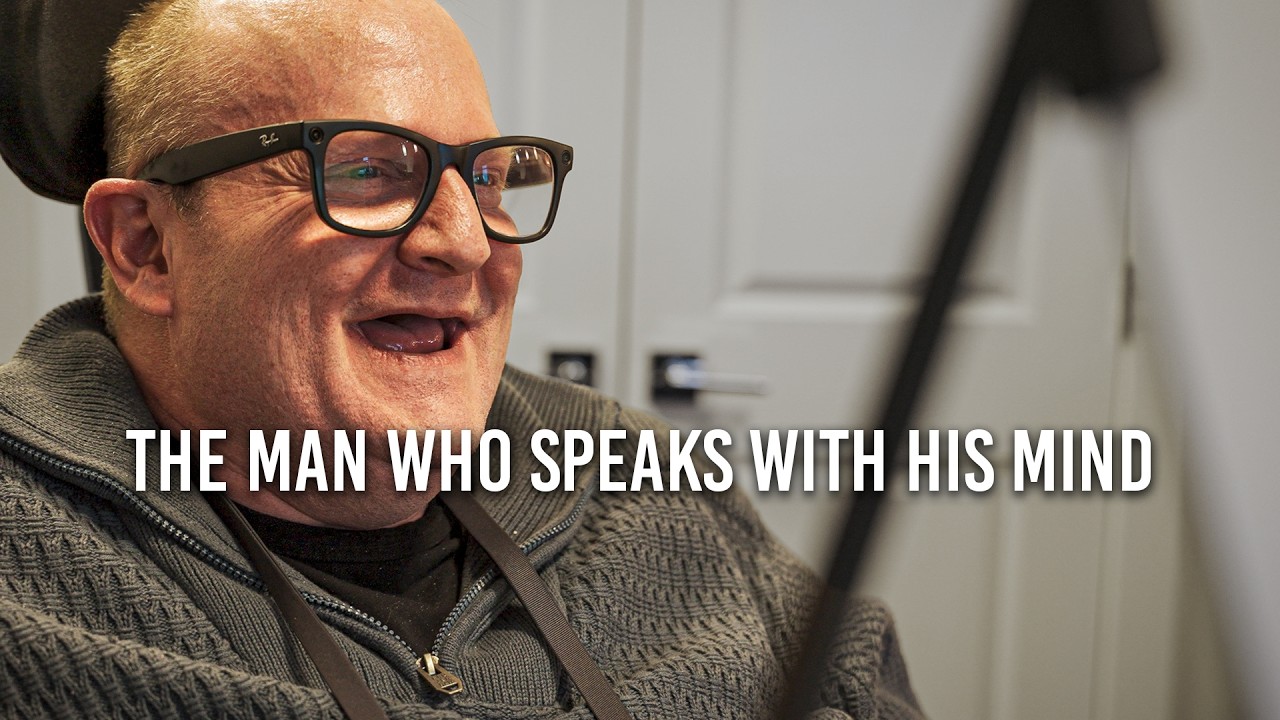
- ALS can make even brief conversations exhausting and can effectively eliminate routine tasks like phone calls.
- The Neuralink VOICE clinical trial is testing an investigational brain implant intended to decode thought into speech.
- The device is not commercially available and is not FDA approved; access is currently limited to clinical research settings.
- Participation pathways include a patient registry and team hiring to build and scale assistive BCI capabilities.
Strategic Actions:
- Identify progressive speech or communication loss and clarify the day-to-day tasks most impacted (e.g., short conversations, phone calls).
- Evaluate whether assistive brain-computer interface approaches could address the gap by translating intended speech from neural signals.
- Explore clinical trial participation options through an appropriate patient registry and medical screening process.
- Understand the regulatory status and limitations: investigational use only, not commercially available, not FDA approved.
- Contribute to advancing the field by joining the teams building, testing, and scaling assistive communication technologies.
The Bottom Line:
- Brain-computer interfaces may restore communication for people who can no longer speak by translating neural activity into intended speech.
- For conditions like ALS, this could reduce the daily friction of basic conversations and enable more independent, reliable communication.
Dive deeper > Source Video:
Ready to Explore More?
If you’re exploring assistive tech, digital health, or AI-driven product strategy, we can help you sort through feasibility, risk, and rollout with a practical plan our team can execute with you. Bring us your use case and constraints, and we’ll help map the fastest path to real-world impact.