Paul’s Perspective:
Image generation is moving from “cool demos” to dependable production tooling, and the biggest unlock is consistency—especially with text, branding, and repeated characters. When outputs become more predictable and cheaper to iterate, small and mid-market teams can run faster creative cycles, localize content more easily, and keep brand standards without ballooning design time.
Key Points in Video:
- Better text rendering and translation support makes it more viable for ads, packaging mockups, and multilingual creative.
- Side-by-side comparisons highlight quality and capability differences versus Nano Banana Pro and the prior model.
- Improved character consistency helps maintain the same subject across multiple images for campaigns and storyboards.
- Shown as available via the Gemini app plus developer-oriented surfaces like AI Studio (and other listed access points).
Strategic Actions:
- Evaluate text rendering quality on your real use cases (headlines, labels, UI, signage).
- Test text translation workflows for multilingual creative and check for layout/spacing issues.
- Run a comparison against your current model/tooling to measure speed, cost, and output quality.
- Validate character consistency by generating a sequence (multiple scenes/angles) with the same subject.
- Pilot access through Gemini and/or AI Studio to see how it fits your team’s production process.
The Bottom Line:
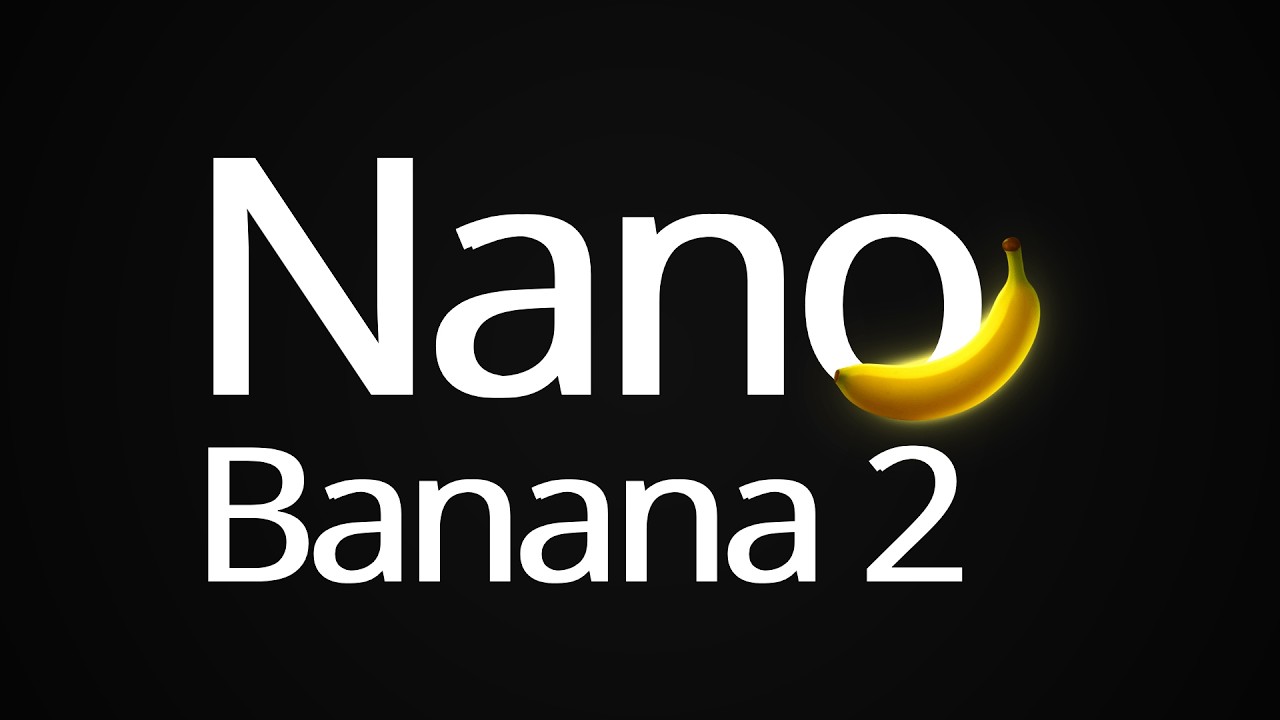
- Google’s Nano Banana 2 upgrades AI image generation with sharper output and new capabilities like improved text handling and character consistency.
- For teams producing creative at scale, it can cut iteration time and cost while improving reliability across repeated assets.
Dive deeper > Source Video:
Ready to Explore More?
If you want to operationalize image generation for marketing without chaos, we can help map the right model, workflow, and guardrails. Our team can also integrate it into your content pipeline so it’s faster, consistent, and measurable.