Paul’s Perspective:
This matters because most organizations will not lose trust through obvious AI misuse, but through subtle erosion when customers can no longer tell what is real or who stands behind it. Companies that keep humans visibly accountable while using AI strategically will be better positioned to protect brand credibility and customer confidence.
Key Points in Video:
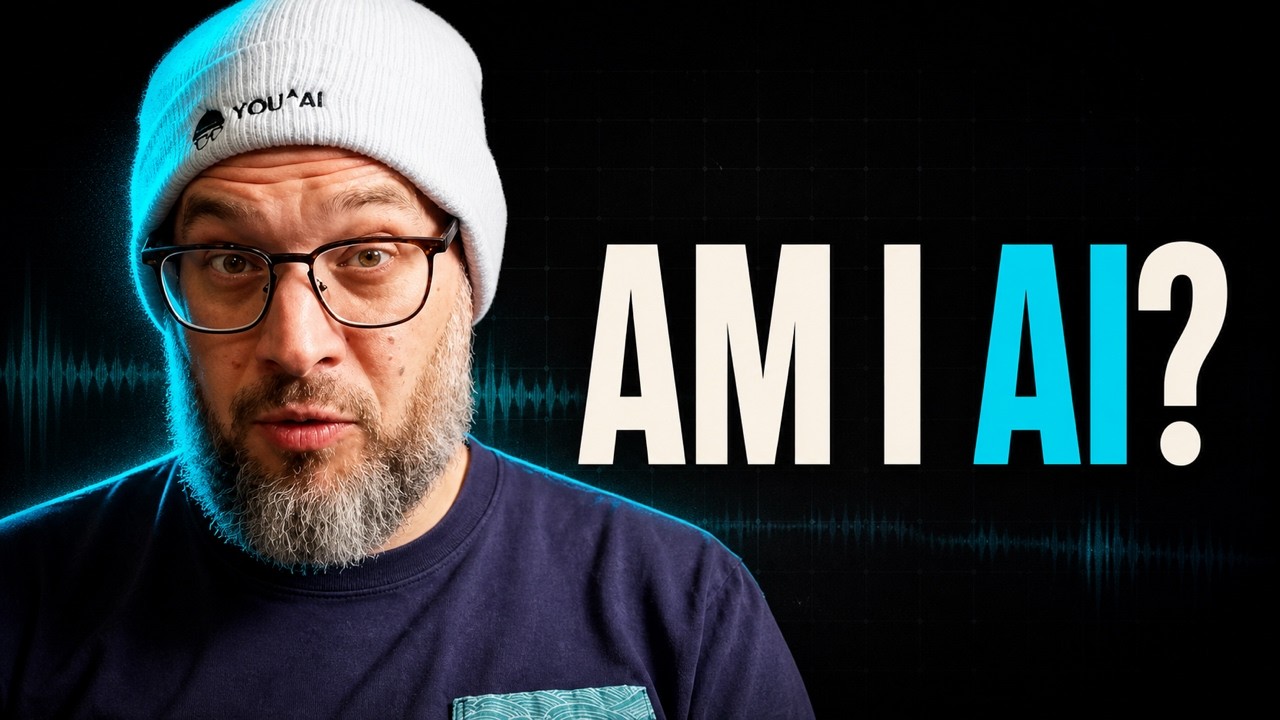
- Voice cloning is already realistic enough to fool audiences in a distracted, fast-scrolling feed, even if it does not hold up under close scrutiny.
- The issue of whether something was “made with AI” breaks into five separate questions, including authorship, performance, editing, disclosure, and final accountability.
- Small details still expose limits in fully synthetic human presence, especially where nuance, relational cues, and consistency matter.
- There is no practical “never use AI” rule; the real differentiator is whether a real person owns the judgment behind what gets published.
- The video outlines a creator trust stack, positioning transparency and accountable oversight as business safeguards, not just ethical preferences.
Strategic Actions:
- Recognize that good-enough AI can already pass in low-attention environments.
- Separate the question of AI use into specific categories such as creation, performance, editing, disclosure, and accountability.
- Identify where AI can improve speed or polish and where human judgment must remain in control.
- Disclose AI involvement clearly when it affects audience understanding or trust.
- Keep a real person visibly responsible for the final output.
- Build processes that protect trust as AI quality continues to improve.
The Bottom Line:
- The biggest risk with AI is not flawless imitation, but content that is convincing enough to pass unnoticed while blurring who created it and who is responsible for it.
- For businesses and creators, trust becomes the scarce asset, making clear disclosure and visible human accountability more important than technical perfection.
Dive deeper > Source Video:
Ready to Explore More?
If you are sorting out how to use AI without weakening trust, we help teams put practical guardrails, workflows, and accountability in place. We can work with you to make AI useful while keeping your brand and customer relationships credible.