Paul’s Perspective:
This matters because AI demand is forcing infrastructure strategy into new territory, and even impractical ideas reveal where the real bottlenecks are: power, cooling, networking, and cost. Leaders planning for growth should pay attention now, because the competitive edge will come from securing compute capacity and designing operations around infrastructure constraints before they become business constraints.
Key Points in Video:
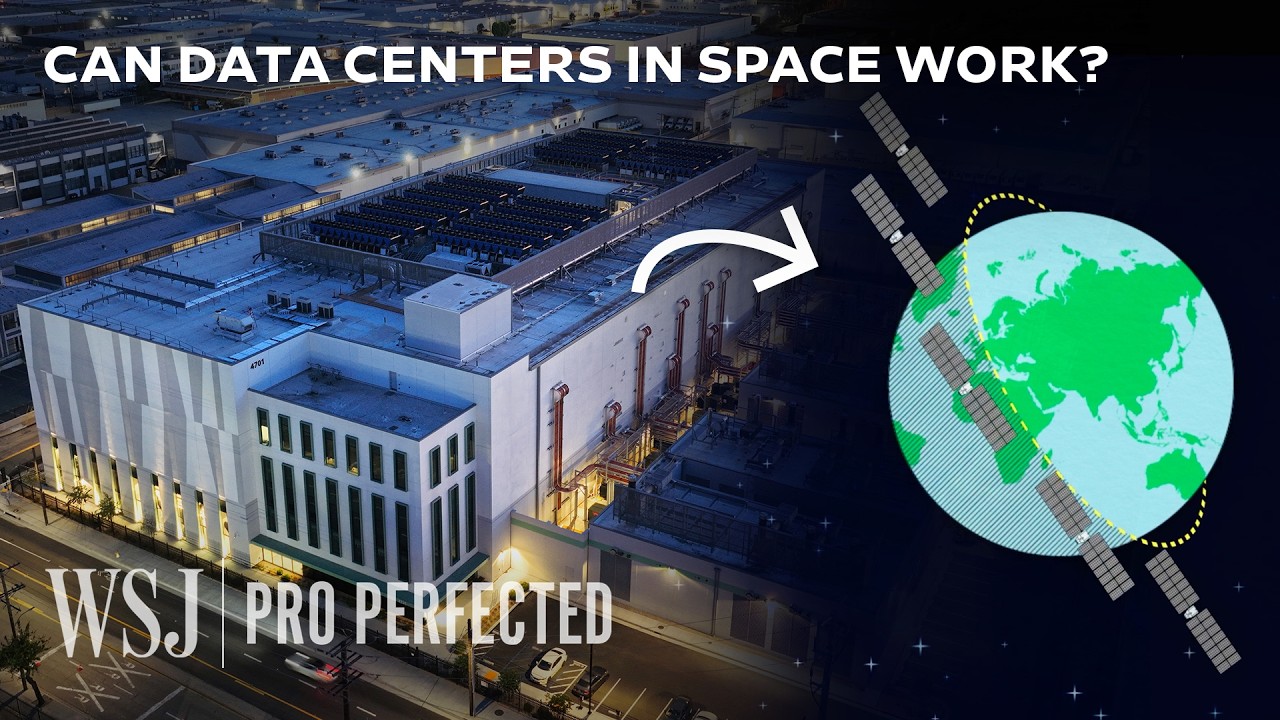
- SpaceX has reportedly sought approval for up to 1 million satellites tied to an orbital data center concept, highlighting the scale being contemplated.
- Core data center requirements do not go away in orbit: operators still need reliable power generation, heat removal, physical protection, and resilient networking.
- Cooling becomes far harder in space because there is no atmosphere for conventional heat dissipation, forcing more complex thermal management designs.
- Radiation, launch costs, maintenance limits, and hardware replacement cycles add major operational risk compared with terrestrial facilities.
- Latency and bandwidth constraints could limit which workloads make sense in orbit, making cost effectiveness a central hurdle.
Strategic Actions:
- Assess the core infrastructure needs required to run compute workloads, including power, cooling, protection, and connectivity.
- Evaluate how those requirements change in space, where vacuum, radiation, and maintenance limitations create new design problems.
- Examine thermal management challenges, since conventional land-based cooling methods do not translate easily to orbit.
- Review networking implications such as latency, bandwidth, and how data would move between orbital systems and users on Earth.
- Compare launch, operating, and replacement costs against terrestrial data center economics to test business viability.
- Determine which specialized use cases, if any, could justify orbital computing despite the technical and financial barriers.
The Bottom Line:
- Putting data centers in orbit faces steep engineering and economic barriers, especially around power, cooling, radiation protection, and high-speed connectivity.
- For most businesses, the bigger takeaway is that demand for AI infrastructure is pushing operators to explore extreme alternatives as land, energy, and capacity constraints tighten.
Dive deeper > Source Video:
Ready to Explore More?
If your team is sorting through AI infrastructure, cloud capacity, or automation strategy, we can help evaluate the practical options and tradeoffs. We work together with clients to turn complex technology questions into grounded business decisions.