Paul’s Perspective:
This matters because AI adoption becomes much easier when people can see it as a usable teammate instead of a technical novelty. For small and mid-sized companies, that can lower the barrier to automation, speed up execution, and help teams do higher-value work without adding headcount at the same pace.
Key Points in Video:
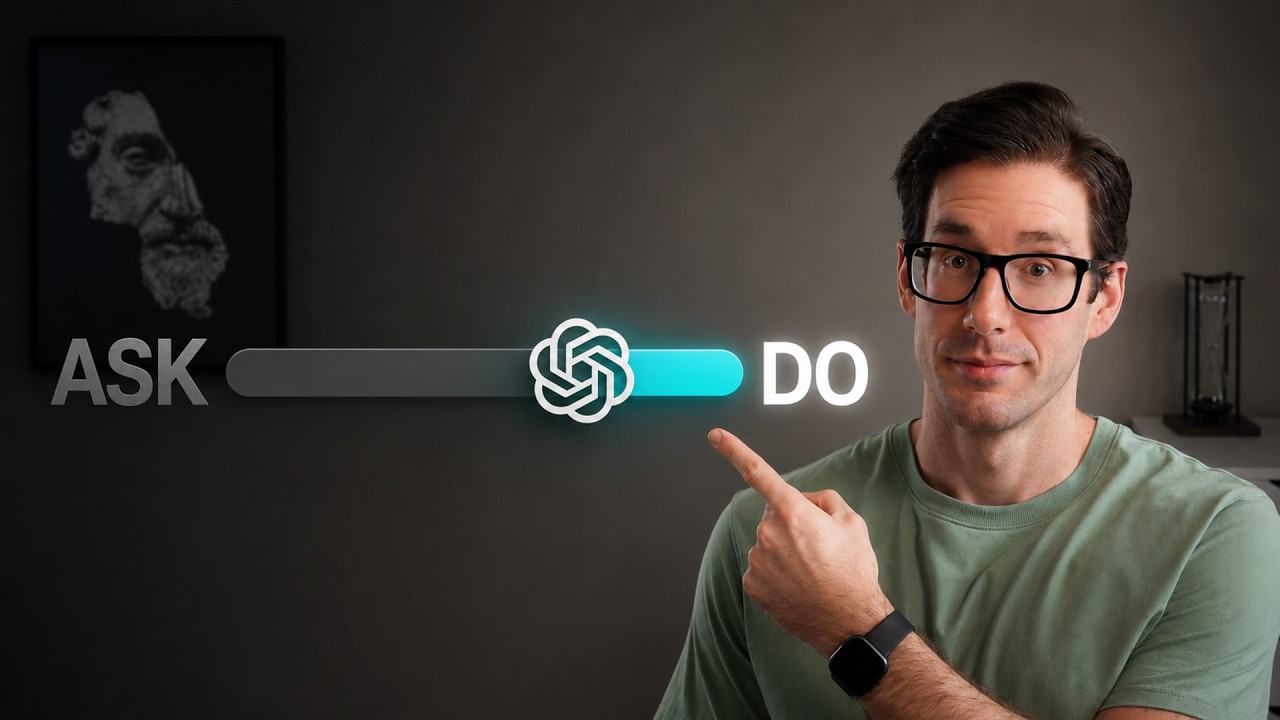
- The core change is functional: AI is being positioned less as a chatbot and more as a role-based assistant for real business tasks.
- This expands potential use cases across research, drafting, summarizing, planning, and workflow support for knowledge workers.
- Leaders should expect the biggest returns where repetitive digital work can be standardized, reviewed, and improved over time.
- The practical opportunity is not replacing entire teams, but giving employees leverage to complete more work faster and with better consistency.
Strategic Actions:
- Identify repetitive knowledge-work tasks that consume team time each week.
- Match those tasks to AI-supported activities such as research, drafting, summarizing, and planning.
- Test AI in one department or workflow before rolling it out more broadly.
- Set review standards so human oversight remains part of the process.
- Measure gains in speed, consistency, and team capacity to find the best-fit use cases.
The Bottom Line:
- ChatGPT is moving beyond simple prompting into a more practical work assistant that can help teams research, organize, and produce output with less manual effort.
- For business leaders, that shift matters because AI is becoming easier to deploy in everyday operations, making productivity gains more accessible across the company.
Dive deeper > Source Video:
Ready to Explore More?
If you are sorting out where AI can actually help your business, we can work with your team to identify practical use cases and build an approach that fits how you operate.