Paul’s Perspective:
This matters because many teams are still trying to get better results by polishing prompts, while the bigger gains now come from redesigning how work is organized around AI. Leaders who understand this shift can move beyond experimentation and start building repeatable workflows that save time, improve output quality, and scale knowledge work more effectively.
Key Points in Video:
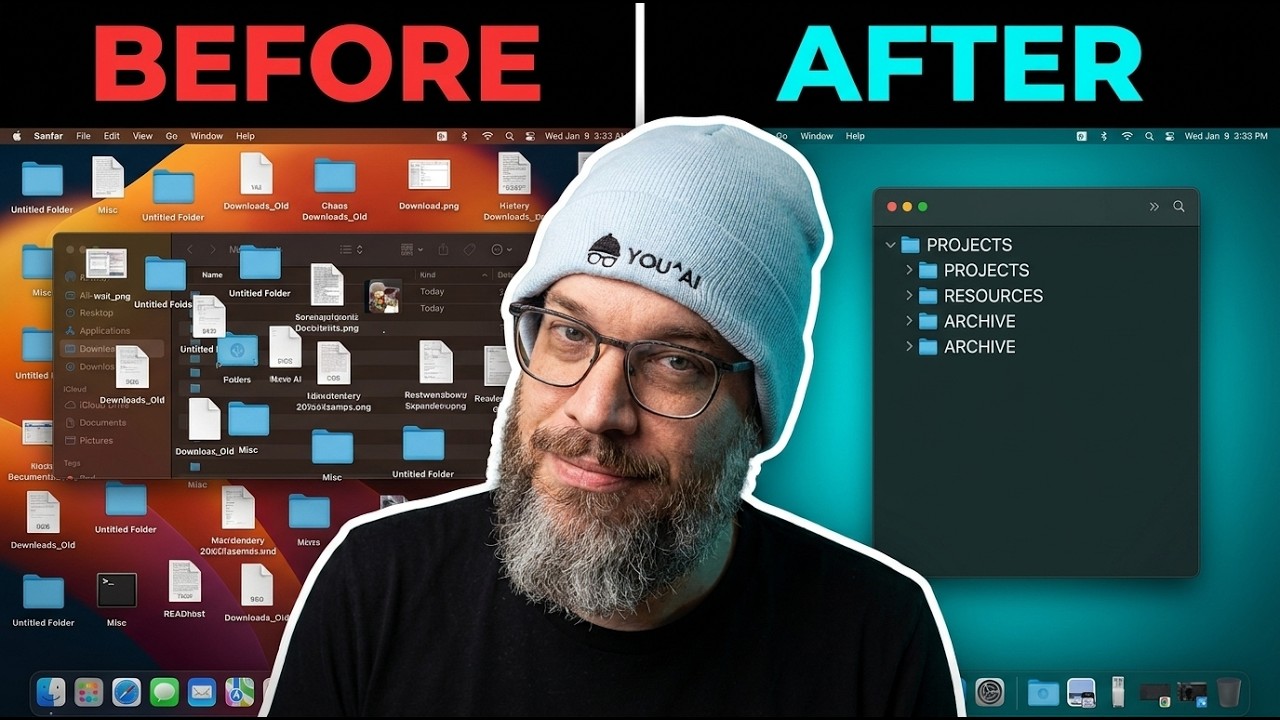
- Local file folders are being used as practical context windows, giving AI access to more relevant material than a single prompt can provide.
- One highlighted capability is handling documents of roughly 50,000 words, expanding AI’s usefulness for long reports, large specs, and detailed operational content.
- The workflow emphasis has moved from prompt crafting toward shaping the task, defining inputs, and setting up the right review structure before execution.
- Multi-threaded drafting and review allow different AI sessions to tackle writing, analysis, and refinement in parallel, improving throughput.
- The most effective users are treating AI less like a tool for one-off commands and more like a collaborator for delegated work.
Strategic Actions:
- Build structured local folders or source files to give AI better working context.
- Use AI on larger documents, spreadsheets, and codebases where broader context improves results.
- Define and shape the task clearly before asking AI to execute it.
- Shift from one-shot prompting to delegated collaboration with the model.
- Run multi-threaded drafting, analysis, and review in parallel when appropriate.
- Avoid locking into a single tool or method when different models handle different tasks better.
The Bottom Line:
- Advanced AI use is shifting from clever prompting to building better context, structuring tasks clearly, and collaborating with tools across multiple threads.
- For business leaders, the real opportunity is using AI to handle larger documents, richer inputs, and more complex workflows with greater speed and accuracy.
Dive deeper > Source Video:
Ready to Explore More?
If you are rethinking how AI fits into your team’s daily work, we can help map practical workflows, tool choices, and process changes that make it useful in the real world. Our team works with companies to turn ideas like this into workable operating advantages.