Paul’s Perspective:
This matters because infrastructure problems rarely stay isolated to operations. They quickly become governance issues, affecting credibility, compliance exposure, and the ability to serve customers or communities consistently.
Leaders should treat inspection findings as an early warning system. The real decision is whether to address root causes proactively or wait until failures force a more expensive, public response.
Key Points in Article:
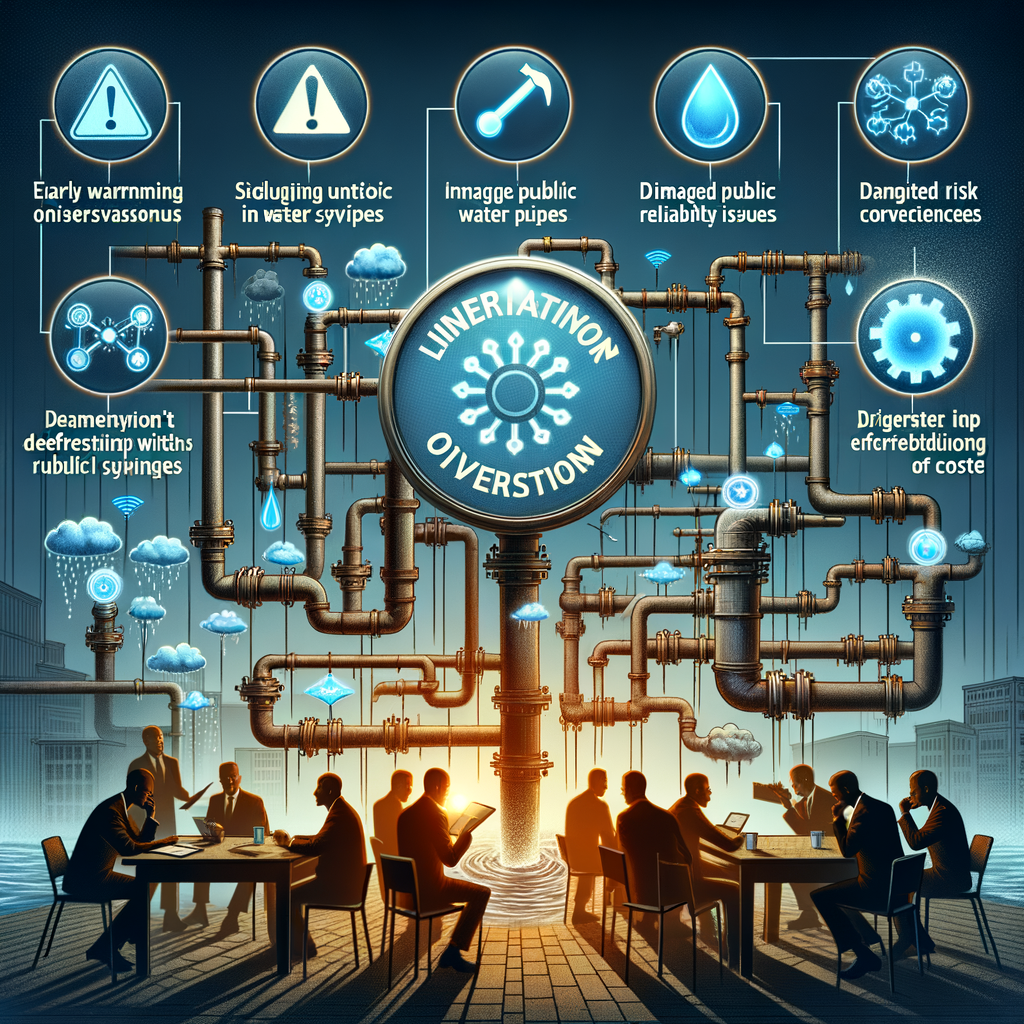
- The inspection identified significant deficiencies in a public water system, underscoring how compliance gaps can expose essential services to regulatory and operational pressure.
- Infrastructure oversight failures in utilities often create downstream consequences beyond maintenance, including service reliability issues, public confidence damage, and increased remediation costs.
- For leadership teams, the broader lesson is that routine inspections and documented corrective actions are core risk controls, not administrative tasks.
Strategic Actions:
- Review the inspection findings and identify the highest-risk deficiencies.
- Document the operational, compliance, and public-impact implications of each issue.
- Prioritize corrective actions based on service risk and urgency.
- Assign ownership, deadlines, and accountability for remediation steps.
- Strengthen monitoring, maintenance, and reporting routines to prevent repeat failures.
- Update incident response and communication plans in case service issues escalate.
Dive deeper > Full Story:
The Bottom Line:
- Critical utility failures can quickly become operational, financial, and trust risks for any organization.
- Audit essential infrastructure, response plans, and oversight routines before small gaps become service disruptions.
Ready to Explore More?
If you are thinking about how inspection findings translate into operational risk, we can help assess the gaps and prioritize a practical response plan. Reply if you want to talk through oversight, process, or infrastructure readiness.