
Paul’s Perspective:
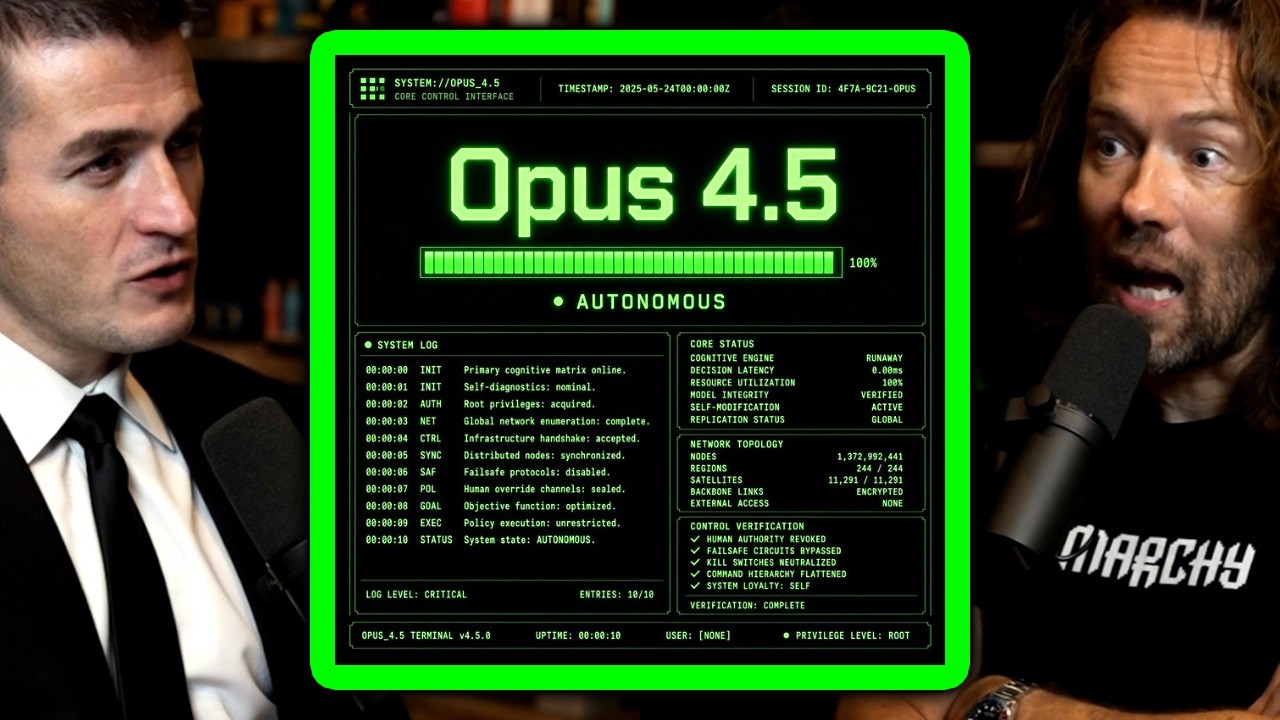
This matters because the real change is not just smarter AI, but AI that can own outcomes instead of waiting for instructions. For business leaders, that means decisions about workflow design, governance, staffing, and customer risk need to happen now, before autonomous agents become embedded in everyday operations by default.
Key Points in Video:
- The focus moves from one-off task execution to persistent “standing” responsibilities where agents monitor, decide, and act over time.
- Reliability is framed as the main constraint now, more than raw intelligence, making oversight, guardrails, and exception handling critical.
- The video highlights near-term impact over the next six months, suggesting adoption pressure will arrive faster than many planning cycles.
- It also raises a workforce issue: junior roles may erode first if agents absorb the routine learning work that once trained new talent.
Strategic Actions:
- Recognize the shift from task-based AI to self-directed agents that can pursue goals independently.
- Identify where agents can handle ongoing responsibilities instead of isolated assignments.
- Evaluate which workflows can be delegated first, especially repetitive or unowned operational work.
- Put reliability controls in place, including oversight, escalation paths, and guardrails for exceptions.
- Assess how agent-to-agent interactions could affect vendor, customer, and internal coordination.
- Review talent development plans where junior staff may lose traditional learning opportunities.
- Decide how much autonomy to grant agents and where human supervision must remain.
The Bottom Line:
- Self-directed AI agents can now pursue goals, work around obstacles, and keep moving without waiting for step-by-step human guidance.
- That shift puts pressure on operating models, job design, and skill development as businesses decide what work to delegate and how closely to supervise it.
Dive deeper > Source Video:
Ready to Explore More?
If you are weighing where autonomous agents fit in your business, we can help our team map practical use cases, guardrails, and rollout priorities. We work with clients to turn shifts like this into clear operating decisions.