Paul’s Perspective:
This is important because AI becomes far more valuable when it can understand context across formats instead of just generating plausible text. For business leaders, that opens the door to better automation, stronger knowledge tools, and more practical AI use cases that depend on interpreting the real world, not just words.
Key Points in Video:
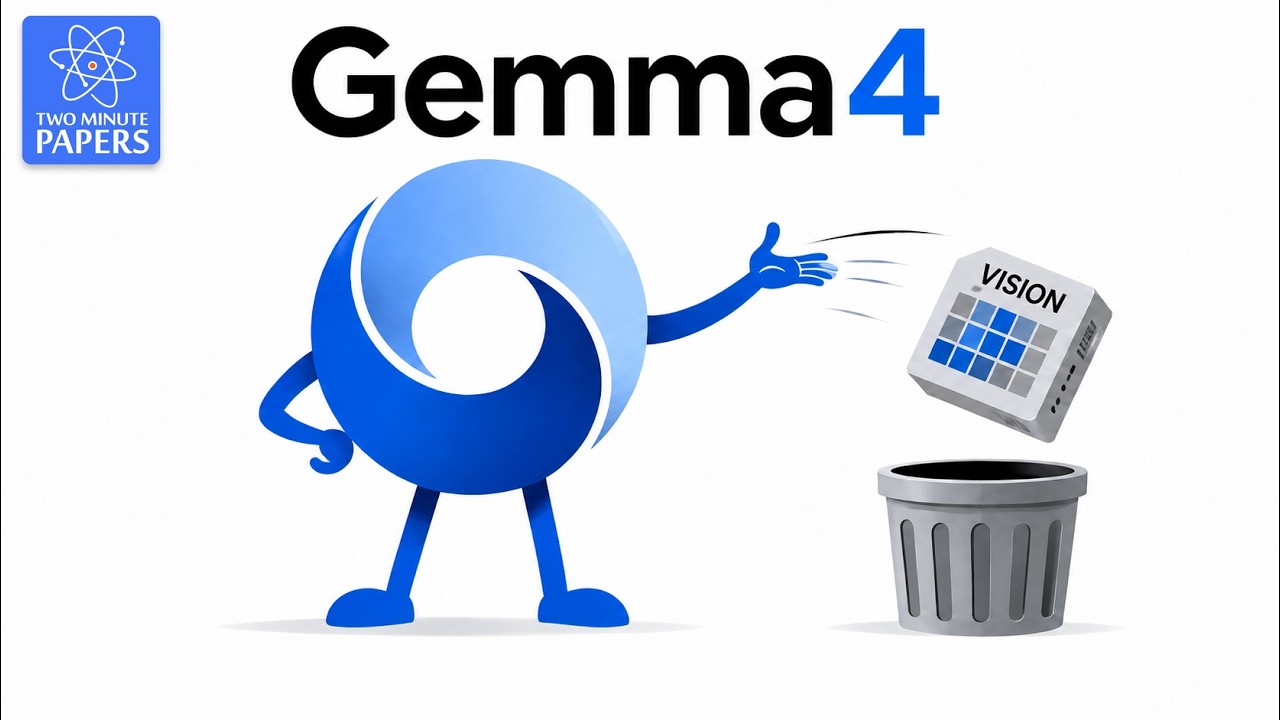
- The focus is on multimodal AI, where a single model works across text, images, and video instead of treating each input type separately.
- This kind of architecture aims to improve contextual reasoning, helping AI interpret relationships, motion, and visual details more accurately.
- Advances like this can reduce friction in tasks such as search, automation, content analysis, and decision support.
- The broader implication is a shift from narrow prompt-response systems toward models that build richer internal representations of how the world works.
Strategic Actions:
- Combine language, image, and video understanding in a unified model.
- Improve how the model recognizes context, relationships, and motion across inputs.
- Use that stronger understanding to support more accurate reasoning and responses.
- Apply the capability to practical use cases like analysis, search, and workflow automation.
- Move toward AI systems that interact with the world in more useful and reliable ways.
The Bottom Line:
- DeepMind’s latest multimodal model improves how AI connects images, video, and language, moving closer to more human-like understanding across different types of data.
- That matters because better world understanding can make AI systems more useful, context-aware, and reliable in real business and real-world applications.
Dive deeper > Source Video:
Ready to Explore More?
If you are weighing where multimodal AI fits in your business, we can help our team sort through the practical use cases and turn the right ideas into workable next steps.