Paul’s Perspective:
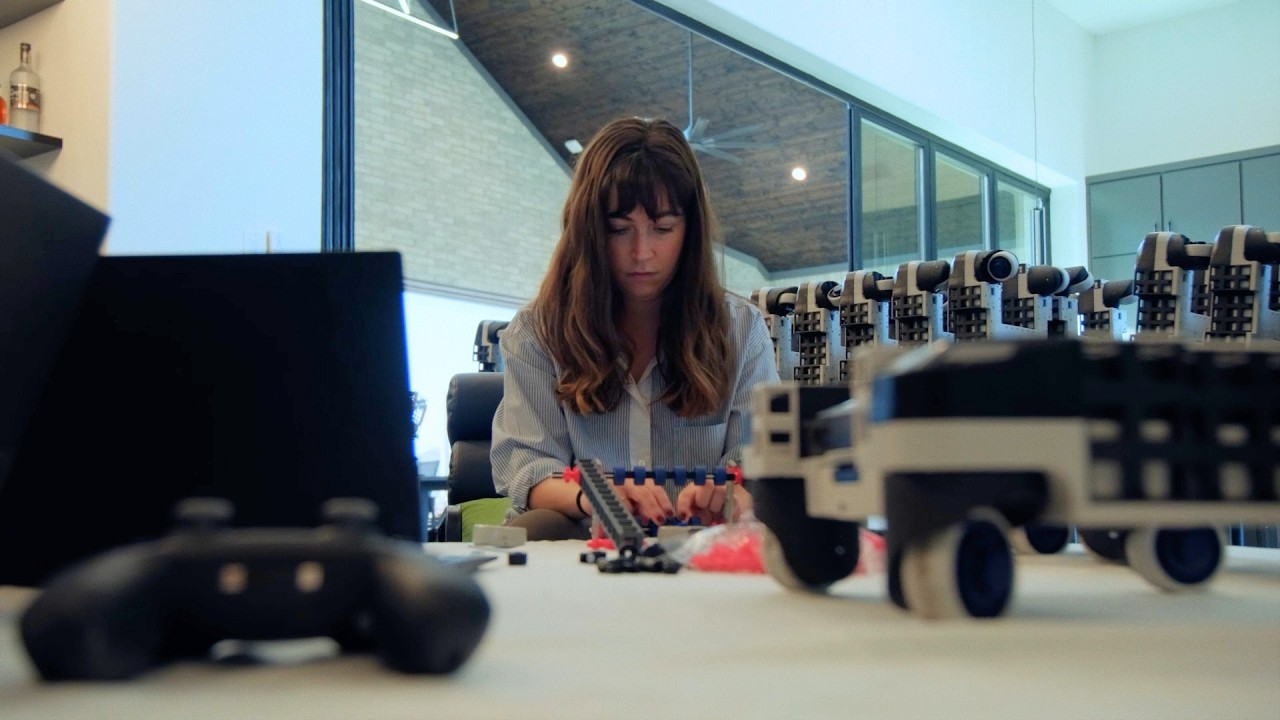
This matters because adoption often fails when educational tools are too complex, too slow to deploy, or disconnected from classroom realities. A purpose-built robotics system can help schools spend less time overcoming implementation hurdles and more time delivering meaningful student learning outcomes.
Key Points in Video:
- The development process brought together three practical perspectives: coaching, education, and engineering.
- The focus is on moving from early concept to classroom-ready builds, emphasizing usability over theory alone.
- A core goal is to help students build faster, which can increase active participation during limited class time.
- The system is intentionally designed to support stronger student engagement through more hands-on learning.
Strategic Actions:
- Start with the educational goal of getting more students actively involved in hands-on robotics.
- Incorporate input from coaches, educators, and engineers to shape the system design.
- Refine early concepts into practical, classroom-ready builds that are easier to use.
- Reduce setup and build-time friction so students can begin creating faster.
- Use the streamlined design to improve engagement and support broader classroom implementation.
The Bottom Line:
- Blueprint Robotics is designed to help more students get hands-on faster with a system shaped by coaches, educators, and engineers.
- Its classroom-ready approach matters because better design can improve engagement, reduce setup friction, and make robotics programs easier to implement at scale.
Dive deeper > Source Video:
Ready to Explore More?
If you are evaluating hands-on learning, edtech, or program rollout strategy, we can help our team assess what will work best in your environment. We bring practical experience aligning technology, process, and adoption so the investment delivers results.