Paul’s Perspective:
This matters because continual learning would change AI from a tool you periodically refresh into a capability that compounds over time. For business leaders, that raises practical questions about data ownership, process design, and whether their organization is set up to benefit from systems that keep getting better in production.
Key Points in Video:
- The discussion frames eight forward-looking changes that could affect model development, deployment, and economic value creation.
- AI systems that learn continuously may reduce the lag between new information and improved performance, narrowing the gap between training and live operations.
- Organizations may need stronger data pipelines, feedback loops, and governance because fresh data becomes a direct input to ongoing model improvement.
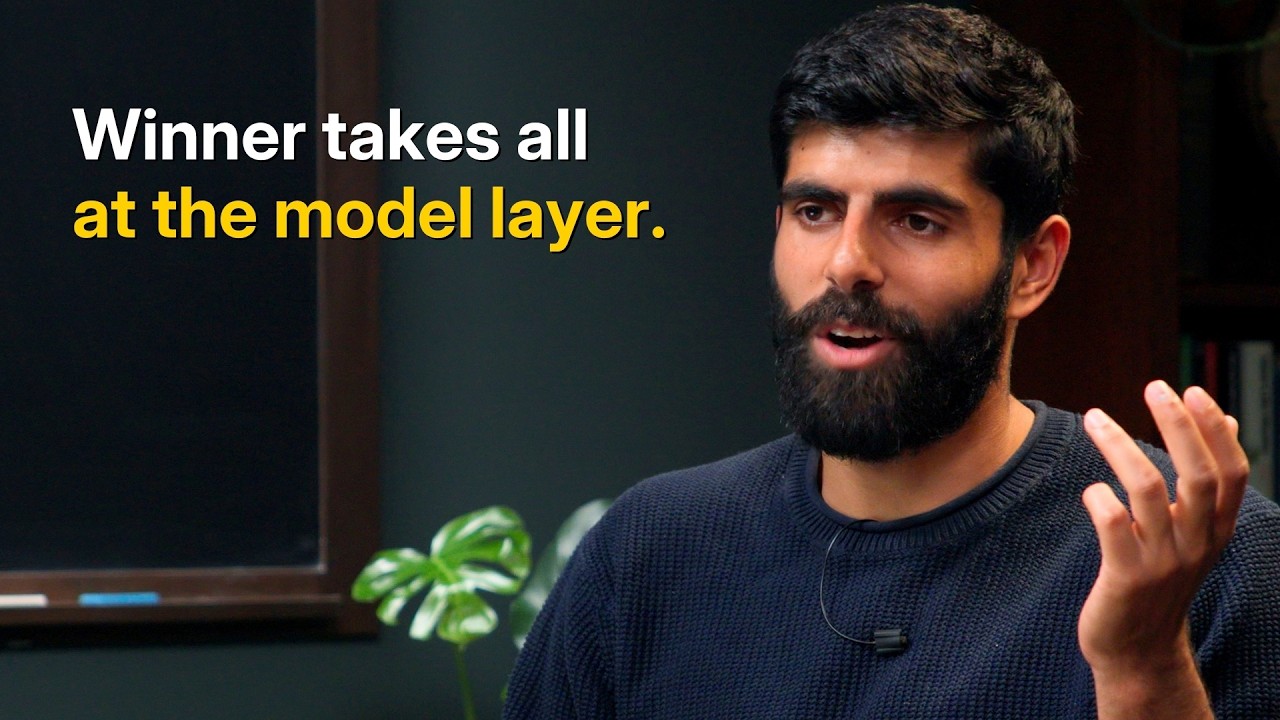
- The strategic advantage could shift toward companies with proprietary usage data, repeatable workflows, and the ability to operationalize learning safely at scale.
Strategic Actions:
- Define what continual learning means for real-world AI systems versus static model training.
- Assess how ongoing adaptation could change product performance and user value over time.
- Identify the infrastructure needed to capture feedback, new data, and operational signals continuously.
- Evaluate governance, safety, and quality controls for models that update more frequently.
- Consider where proprietary data and customer workflows create defensible advantage.
- Plan for competitive shifts as improvement cycles move from periodic releases to continuous gains.
The Bottom Line:
- Continual learning could move AI from one-time training to ongoing adaptation, making systems more useful in dynamic real-world settings.
- That shift matters because it would reshape how companies build products, manage data, and compete as models improve continuously instead of in periodic jumps.
Dive deeper > Source Video:
Ready to Explore More?
If you are thinking through how AI, data, and automation fit your business, we can help our team sort through the strategy, systems, and practical next steps. We work with companies to turn emerging technology shifts into useful, grounded execution.