
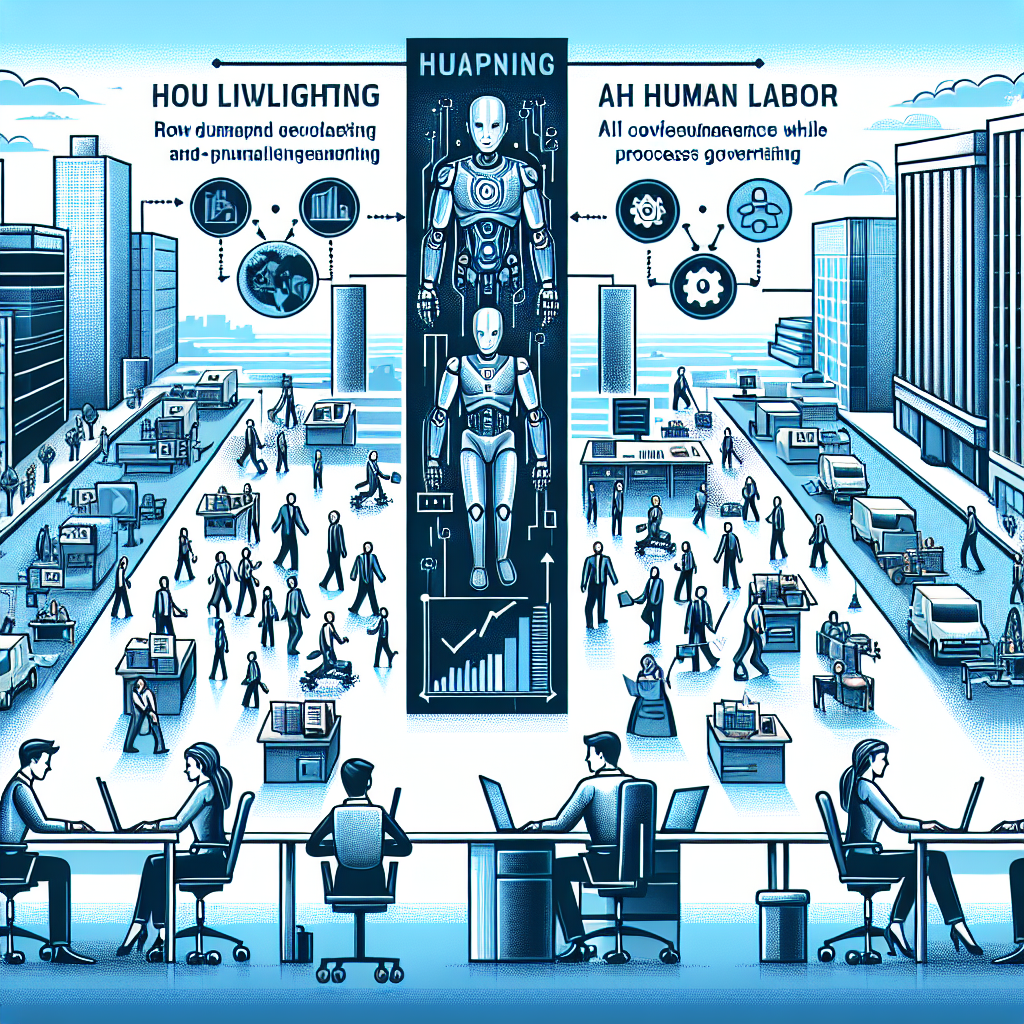
Paul’s Perspective:
When influential tech leaders frame AI as labor replacement, it changes how boards and executives will evaluate productivity, budgets, and org design. The practical implication is that “AI strategy” becomes “work strategy,” with compensation, hiring, and process ownership on the line.
Leaders need to balance speed with control: rushing automation into messy workflows amplifies errors and compliance risk, but delaying invites margin pressure from competitors who redesign work first. The winners will be the teams that operationalize AI with clear process standards, measurable outcomes, and governance that keeps humans accountable.
Key Points in Article:
- The argument frames AI adoption as a labor-shift event: fewer humans needed for the same output, with headcount changes following software capability.
- Vendors are pitching “AI agents” to take over end-to-end tasks (research, drafting, analysis, reporting), which pressures managers to standardize processes so automation can plug in.
- Operational risk rises when outputs are treated as authoritative without governance, including errors, hidden bias, and compliance exposure tied to data handling.
- Organizations that move early can capture cost-to-serve reductions, faster cycle times, and improved decision latency, but only if data quality and access controls are tightened first.
Strategic Actions:
- Identify the highest-volume, repeatable knowledge-work processes where AI could reduce cycle time or cost-to-serve.
- Map each process end-to-end and define what “good output” means with measurable quality criteria.
- Assess data readiness: access, cleanliness, lineage, privacy constraints, and retention requirements.
- Decide where human review is mandatory (risk tiers) versus where automation can run with spot checks.
- Pilot AI in a narrow workflow, track error rates, time saved, and downstream rework.
- Standardize prompts, templates, and handoffs so results are consistent across teams.
- Set governance: owner, approval rules, audit logs, and escalation paths for failures.
- Redesign roles and training plans around the new division of labor between people and AI tools.
Dive deeper > Full Story:
The Bottom Line:
- AI is being positioned as a direct substitute for large portions of knowledge work, not just a productivity boost.
- Audit roles, workflows, and data readiness now so you can redesign work, retrain teams, and control risk before competitors set the pace.
Ready to Explore More?
If you’re trying to separate real AI labor savings from hype, we can help you audit workflows, data readiness, and governance to build a practical automation roadmap. Reply if you want a quick working session to identify the best first use cases.