Paul’s Perspective:
This trend provides business leaders a preview of tomorrow’s workforce, offering critical insights into how incoming talent will think, learn, and solve problems. Staying informed allows you to align hiring, training, and operational strategies with these fast-evolving digital competencies.
Key Points in Article:
- Colleges are integrating generative AI tools into courses, student advising, and administrative processes.
- Over 90% of surveyed students in pilot programs reported using AI for collaborative assignments or research.
- Educational institutions are focusing on both the opportunities and risks of AI-driven learning, such as equity of access and academic integrity.
- The class of 2026 is expected to enter the job market with significantly higher AI literacy and adaptability.
Strategic Actions:
- Evaluate how AI is being embedded in academic and extracurricular college experiences.
- Monitor changing student expectations about learning, collaboration, and technology use.
- Identify new skill sets and digital competencies emerging among graduates.
- Adapt recruitment and onboarding strategies to attract AI-fluent talent.
- Assess potential impacts on business processes as AI-literate employees enter the workforce.
Dive deeper > Full Story:
The Bottom Line:
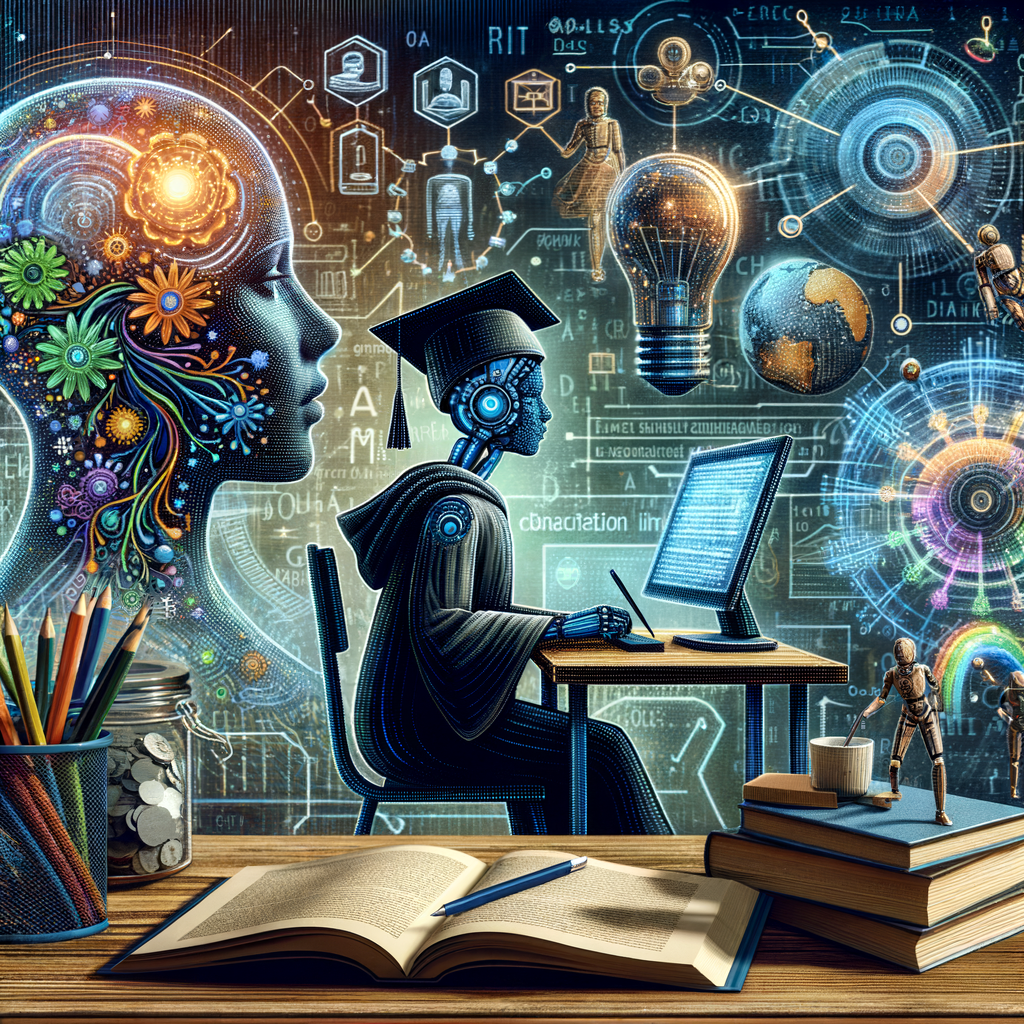
- AI is rapidly transforming the educational landscape, impacting the ways students learn, collaborate, and prepare for their careers.
- Understanding these shifts can help businesses anticipate changes in workforce skills and expectations.
Ready to Explore More?
We work alongside your team to navigate how these shifts in education and AI will impact your business and workforce strategies. Let’s discuss how we can help position your company to harness emerging talent and technological change.