
Paul’s Perspective:
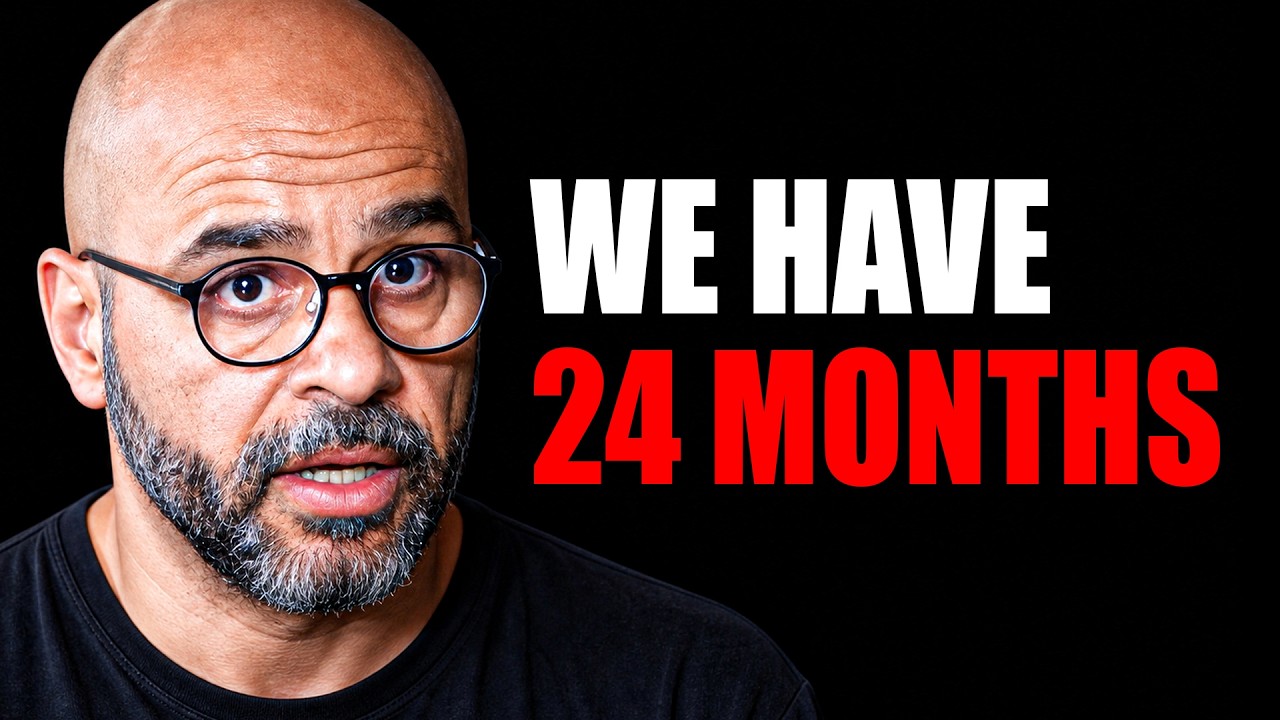
This matters because many companies are making long-term bets on AI vendors, infrastructure, and budgets before the market structure is settled. If pricing falls, model performance converges, or a few dominant players squeeze the middle, leaders who stay flexible will be in a better position than those locked into expensive assumptions.
Key Points in Video:
- Anthropic’s potential valuation is framed at $2 trillion, underscoring how aggressively investors are pricing future AI winners.
- CoreWeave’s roughly 30% stock decline highlights how quickly sentiment can shift around AI infrastructure providers.
- Discussion around neocloud extinction reflects growing pressure on intermediary compute players as hyperscalers and model providers tighten control.
- China’s Kimi is presented as evidence that the frontier model gap is narrowing faster than many Western firms expected.
- The conversation also points to newer model generations becoming cheaper and smarter, increasing the pace of AI commoditization.
Strategic Actions:
- Assess whether current AI valuations reflect sustainable business fundamentals or bubble-like expectations.
- Examine the viability of neocloud providers as hyperscalers, model labs, and capital intensity reshape infrastructure economics.
- Track major signals from public markets, including infrastructure stock pullbacks and investor appetite for AI growth stories.
- Evaluate Anthropic’s growth, governance, and safety posture as a case study in frontier-model scaling.
- Monitor how Chinese models such as Kimi are reducing the competitive gap in global AI capabilities.
- Plan for a market where newer models become both lower cost and more capable, compressing differentiation.
- Revisit AI strategy in light of agents, robotics, and broader shifts in how value may be created and captured.
The Bottom Line:
- AI leaders are weighing whether surging valuations, heavy infrastructure spending, and fast-moving global competition point to durable growth or early signs of an AI market shakeout.
- For business leaders, the bigger issue is how platform concentration, cheaper models, and rising Chinese competition could quickly change vendor strategy, cost structures, and long-term advantage.
Dive deeper > Source Video:
Ready to Explore More?
If you’re sorting through AI platform choices, infrastructure risk, or where to place your next investment, our team can help you pressure-test the options and build a practical path forward.