Paul’s Perspective:
This matters because even if the timeline proves aggressive, the business risk is real: companies that treat AI only as a productivity tool may miss its deeper impact on pricing power, workforce structure, customer demand, and social trust. Leaders should care because the winners will be the ones planning now for multiple economic scenarios, not just faster automation.
Key Points in Video:
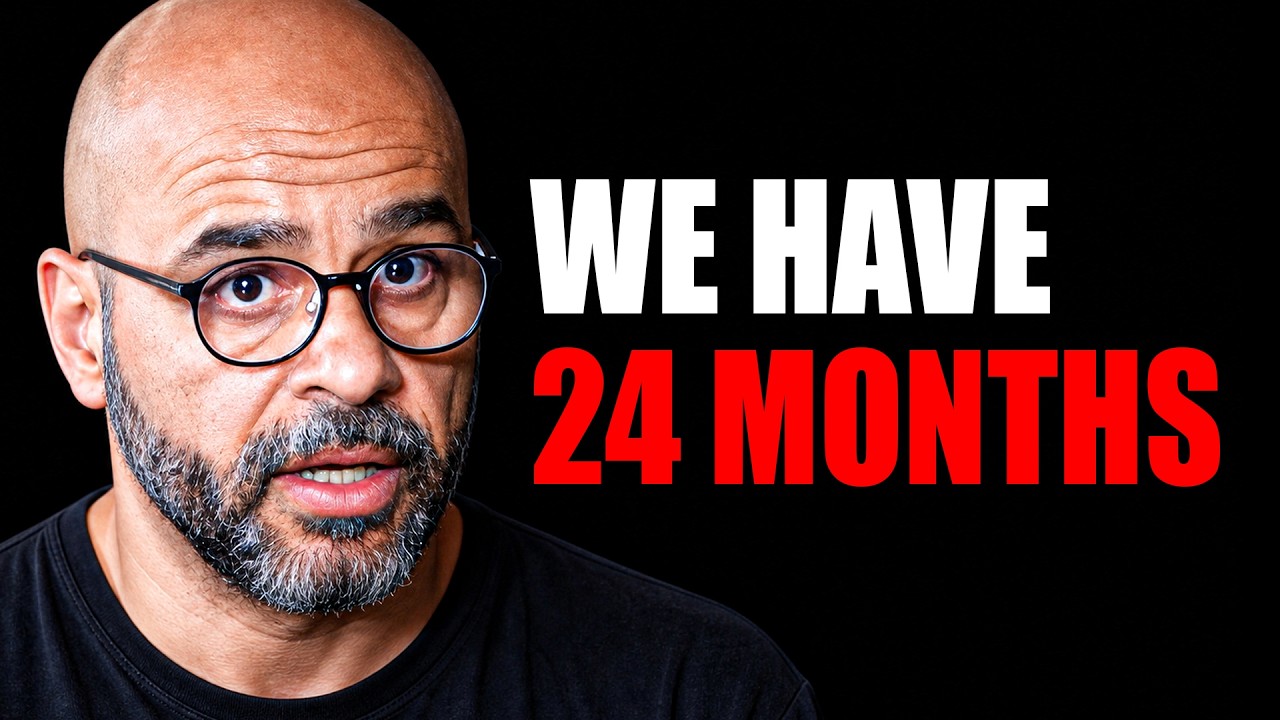
- The central claim is that AI could disrupt capitalism within 2 years by removing labor from the value-creation equation.
- The forecast suggests the next 10 to 12 years will be economically and socially unlike anything seen before, with the broader 15-year horizon described as fundamentally unrecognizable.
- A key argument is that if jobs disappear at scale, households lose the income needed to spend, service debt, and sustain demand across the economy.
- The discussion also challenges whether universal basic income is financially sustainable at population scale.
- It raises the tradeoff between growing surveillance and control versus redirecting large public spending, including military budgets, toward basic human needs.
Strategic Actions:
- Examine how dependent your business model is on human labor, wage arbitrage, and traditional staffing assumptions.
- Stress-test revenue forecasts against a scenario where customers have less income and weaker purchasing power.
- Review debt exposure, recurring obligations, and capital commitments in case economic volatility accelerates.
- Identify which roles, workflows, and service lines are most exposed to AI substitution over the next 2 to 5 years.
- Develop an AI strategy that balances efficiency gains with customer experience, trust, and workforce transition planning.
- Monitor policy shifts around income support, regulation, surveillance, and labor protections that could reshape markets.
The Bottom Line:
- AI is framed as a force that could rapidly eliminate large categories of work, weaken consumer purchasing power, and strain the debt-driven foundations of the economy.
- The bigger issue for business leaders is not just automation, but how quickly market demand, labor models, and social stability could shift over the next 10 to 15 years.
Dive deeper > Source Video:
Ready to Explore More?
If you want to think through what AI disruption could mean for your business model, workforce, and growth plans, our team can help you map practical next steps. We work with leadership teams to turn big technology shifts into grounded, usable strategy.