Paul’s Perspective:
This matters because competitive advantage increasingly depends on how well a company defines the role of AI before the technology defines the rules for them. Leaders who set governance, workflows, and boundaries early will be better positioned to use AI as leverage rather than react to it under pressure.
Key Points in Video:
- The core claim is that the critical threshold is not when AI is a billion times smarter, but when it becomes roughly 2x smarter than humans at important tasks.
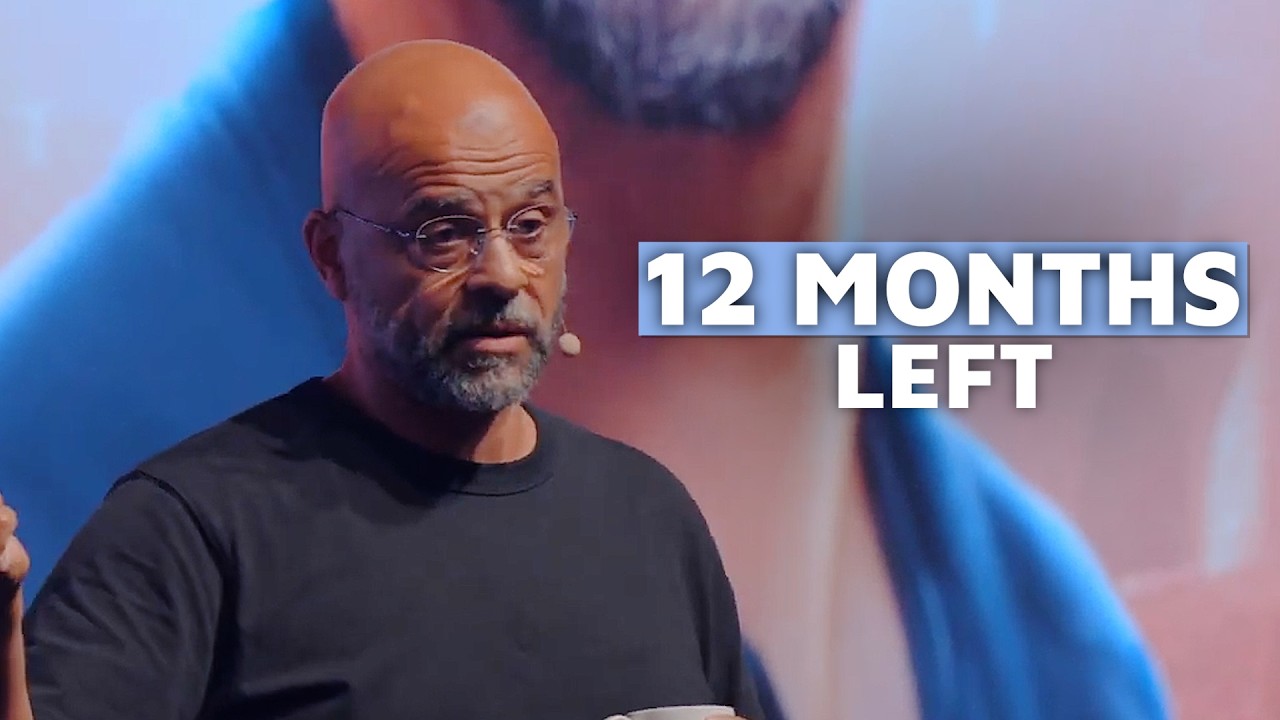
- A timeline of about 12 months is presented for that inflection point, while longer-range estimates extend to 2037 or 2049.
- Examples cited include chess, Go, protein folding, and driving, where machines improved rapidly once enough data, compute, and shared learning were available.
- Unlike humans, AI systems can scale learning instantly across models and environments, compressing improvement cycles from years to near real time.
Strategic Actions:
- Recognize that the key milestone is when AI becomes even modestly smarter than humans, not some distant end-state.
- Assess which business decisions, workflows, and knowledge tasks are most exposed to rapid AI improvement.
- Decide where you want AI to augment people versus where you want humans to retain final control.
- Set clear guardrails for data use, automation, oversight, and accountability.
- Use the current window to align leadership on how intelligence should serve customers, teams, and operations.
The Bottom Line:
- AI may be nearing the point where it becomes more capable than humans across most tasks, with the real tipping point arriving once it is even modestly smarter than we are.
- For business leaders, the urgent takeaway is to decide now how intelligence, automation, and decision-making should serve your company before those choices become harder to control.
Dive deeper > Source Video:
Ready to Explore More?
If you are sorting out where AI fits in your business, our team can help you turn the noise into a practical plan. We work together with leadership teams to define smart use cases, guardrails, and next steps that fit how the business actually runs.