Paul’s Perspective:
This matters because leaders who treat AI only as a geopolitical contest can miss the more immediate business reality: intelligence is becoming an operational utility. The advantage will go to organizations that learn to use it responsibly, redesign work around it, and prepare for a market where access matters less than execution.
Key Points in Video:
- Open models and broad access are making intelligence more ambient, reducing the odds that any nation can sustainably monopolize AI capability.
- Entry-level work is likely to feel pressure first, which raises the stakes for workforce development, job redesign, and practical AI fluency.
- Non-state actors may pose a greater long-term risk than national rivals, shifting attention from pure competition to governance and security.
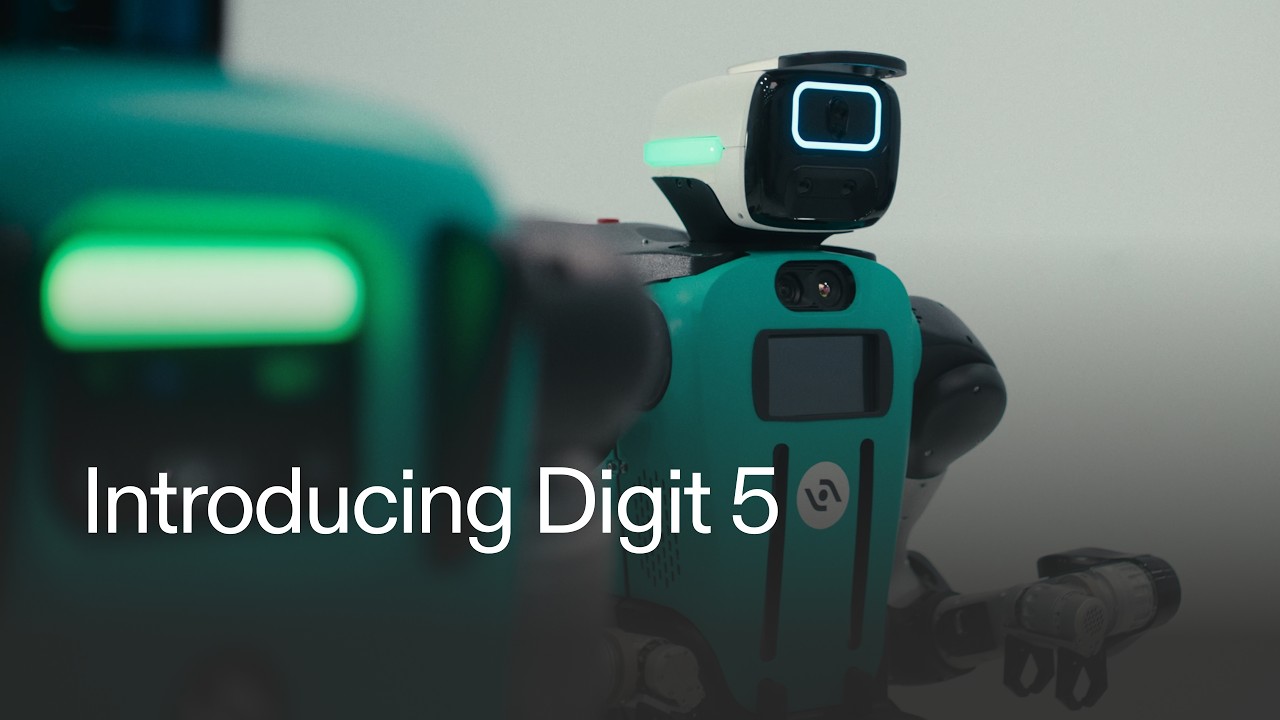
- Robotics could expand AI’s impact beyond software into physical operations, reshaping logistics, manufacturing, and service delivery.
- The end user may capture the biggest gains as useful intelligence becomes cheap enough to embed across everyday tools and decisions.
Strategic Actions:
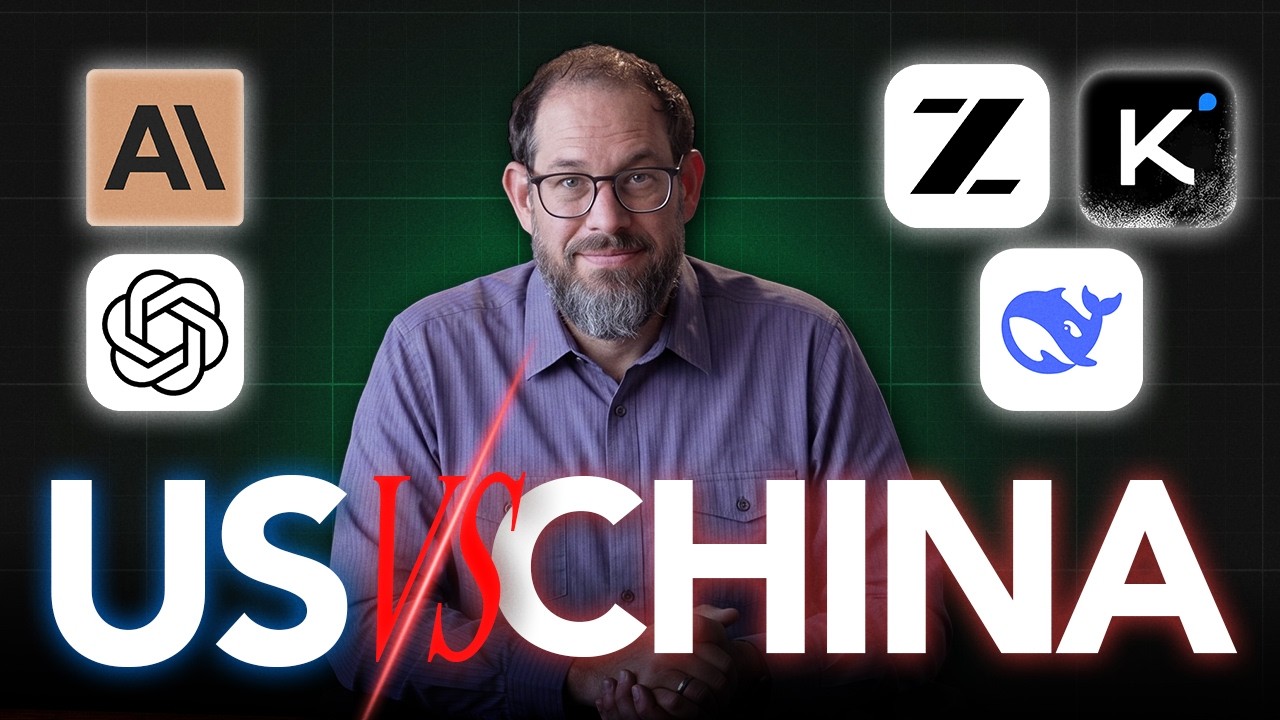
- Challenge the idea that AI is a single race with one ultimate winner.
- Recognize that open access and lower costs are making AI broadly available.
- Assess how entry-level roles and career paths may change as AI handles more basic tasks.
- Guide younger workers and teams toward skills built around judgment, creativity, and applied problem-solving.
- Identify areas where cooperation on safety and governance is more productive than pure rivalry.
- Prepare for risks from non-state actors and misuse, not just nation-state competition.
- Watch robotics as the next major force extending AI into physical business operations.
- Focus on how customers and end users benefit when intelligence becomes abundant and embedded.
The Bottom Line:
- AI is becoming widespread, low-cost, and difficult for any one country or company to control, making the usual winner-takes-all race narrative increasingly misleading.
- The bigger strategic issue is how businesses, workers, and governments adapt to abundant intelligence while managing risks from job disruption, misuse, and non-state actors.
Dive deeper > Source Video:
Ready to Explore More?
If you’re sorting through what AI abundance means for your business, we can help our team turn the noise into practical priorities, workflow changes, and responsible implementation steps. We work together with clients to find useful gains without losing sight of risk, people, or execution.