
Paul’s Perspective:
This matters because AI has lowered the barrier to building software, but it has not removed the need for sound business judgment. Leaders who understand app type, data ownership, and operational risk can move faster without creating fragile tools that become hard to trust or scale.
Key Points in Video:
- The framework organizes software into five distinct shapes, giving non-technical builders a practical way to decide what to make before choosing a platform.
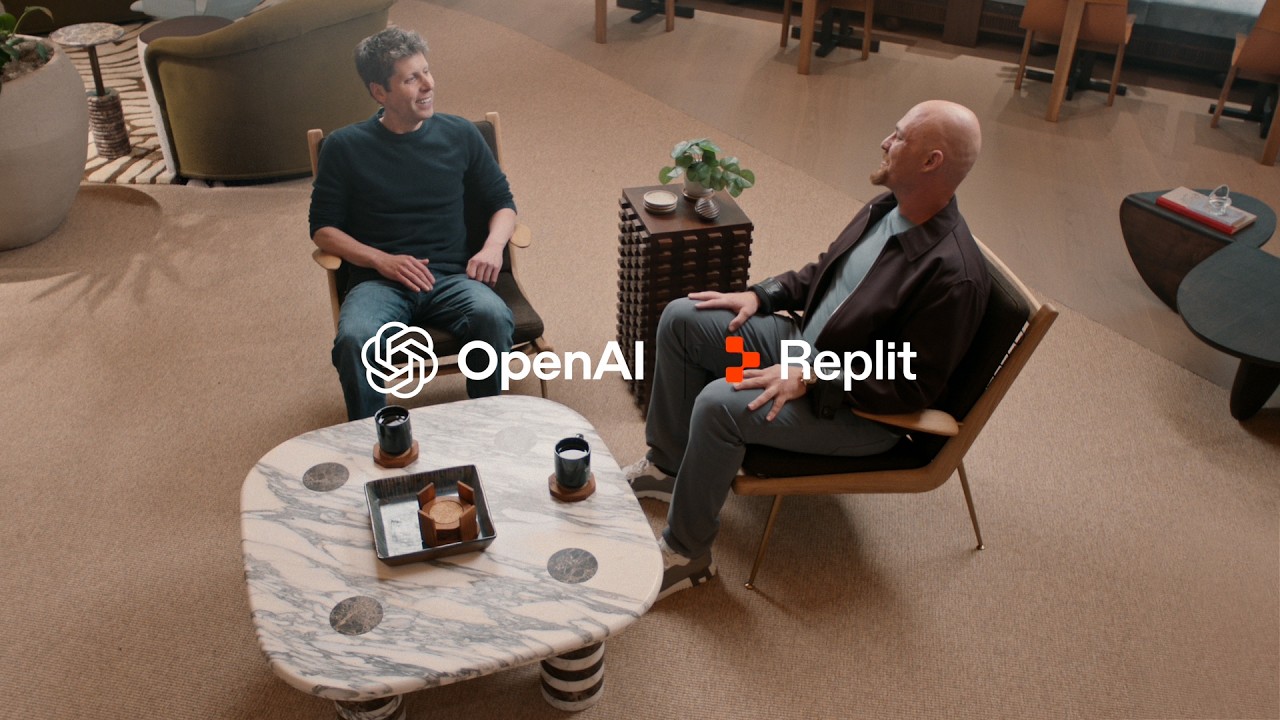
- Tool selection is mapped to specific use cases, including Lovable, Replit, Bolt, Codex, and Claude Code, instead of treating AI builders as interchangeable.
- Four plain-text files are used to make the AI builder’s logic more transparent, improving explainability and making changes easier to manage.
- Data architecture is positioned as an early-stage decision because moving data later can become expensive, disruptive, and technically difficult.
- Core operational issues such as authentication, authorization, and scenario-based testing are highlighted as essential before anyone depends on the app.
Strategic Actions:
- Define which of the five software shapes best matches the problem you want to solve.
- Choose the build tool that fits that software type and your technical comfort level.
- Decide where the app’s data will live before building too far.
- Document the app’s logic with plain-text files so the AI builder can explain and follow your intent.
- Set up authentication and authorization to control who can access what.
- Test the app against everyday real-world scenarios before people rely on it.
- Review whether the solution is maintainable, trustworthy, and worth expanding over time.
The Bottom Line:
- Non-developers can now build useful software with AI, but the biggest decisions still come down to choosing the right app type, tool, and data setup.
- Understanding the five software shapes helps reduce costly rework later, especially around storage, access control, testing, and long-term maintainability.
Dive deeper > Source Video:
Ready to Explore More?
If you’re exploring AI-built software for your business, we can help our clients sort through the tool choices, data decisions, and workflow design so the end result is actually useful. Our team works alongside yours to turn promising ideas into practical systems.