Paul’s Perspective:
This matters because software creation is moving closer to a business capability instead of remaining only a specialist function. For leaders, that means more opportunities to test ideas quickly, automate internal pain points, and let more people contribute to innovation without waiting on traditional development capacity.
Key Points in Video:
- The core promise is a potential 100x increase in the number of people able to build software.
- OpenAI GPT-5.6 Luna is positioned as the engine behind a more guided, conversational development experience.
- For small businesses and lean teams, tools like this can compress the path from idea to prototype and reduce dependence on scarce technical resources.
- The broader implication is not just faster coding, but wider participation in product creation, experimentation, and internal tool development.
Strategic Actions:
- Use AI-assisted building tools to reduce technical barriers for new creators.
- Turn ideas into prototypes faster through conversational development workflows.
- Enable non-technical team members to participate more directly in software creation.
- Shorten testing and iteration cycles for new products and internal tools.
- Expand innovation capacity by giving small teams more leverage with AI-powered development.
The Bottom Line:
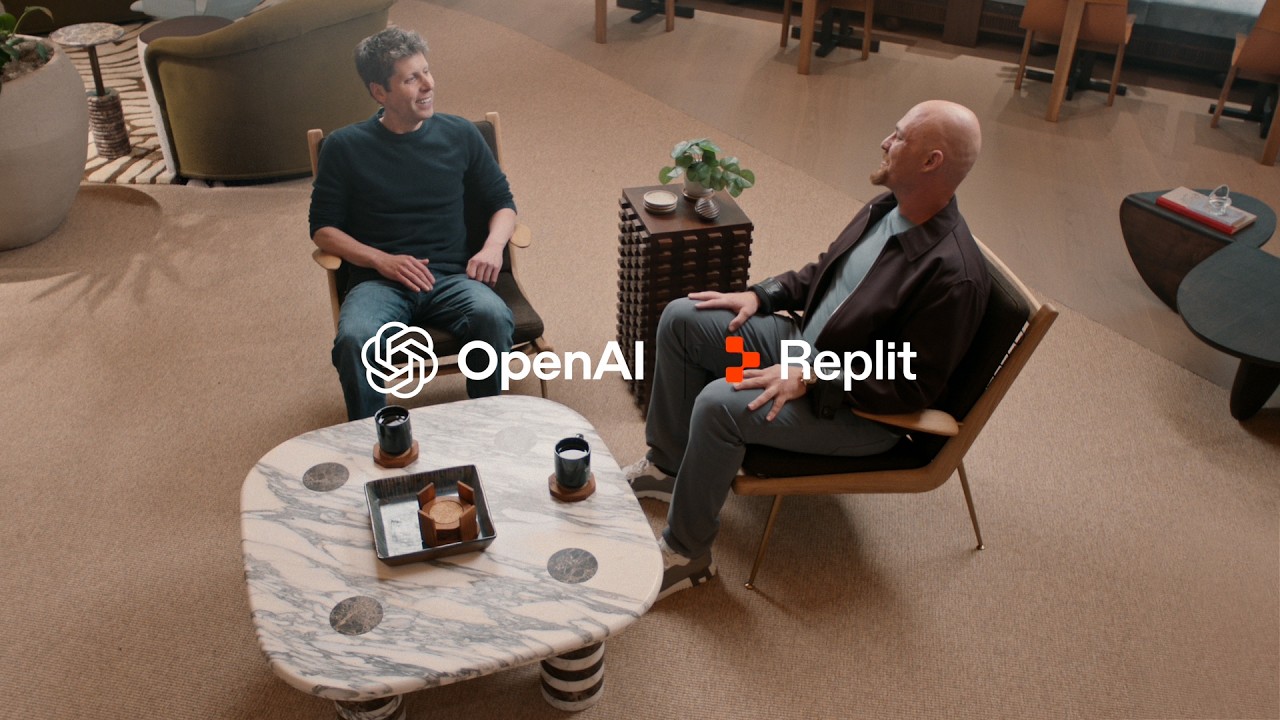
- Replit Free Mode uses OpenAI GPT-5.6 Luna to lower the barrier to building software, making creation far more accessible to non-technical users and faster for experienced developers.
- If this approach scales, it could dramatically expand who can turn ideas into working apps and reshape how small teams prototype, test, and launch digital products.
Dive deeper > Source Video:
Ready to Explore More?
If you are exploring how AI-assisted development could fit your business, we can help our teams evaluate where it can speed delivery, reduce friction, and support smarter digital execution.