Paul’s Perspective:
This matters because when software creation gets easier, markets can fill up faster with similar products. Business owners should pay attention now because the winners are more likely to be the ones who pair AI-driven execution with clear positioning, strong operations, and direct access to customers.
Key Points in Video:
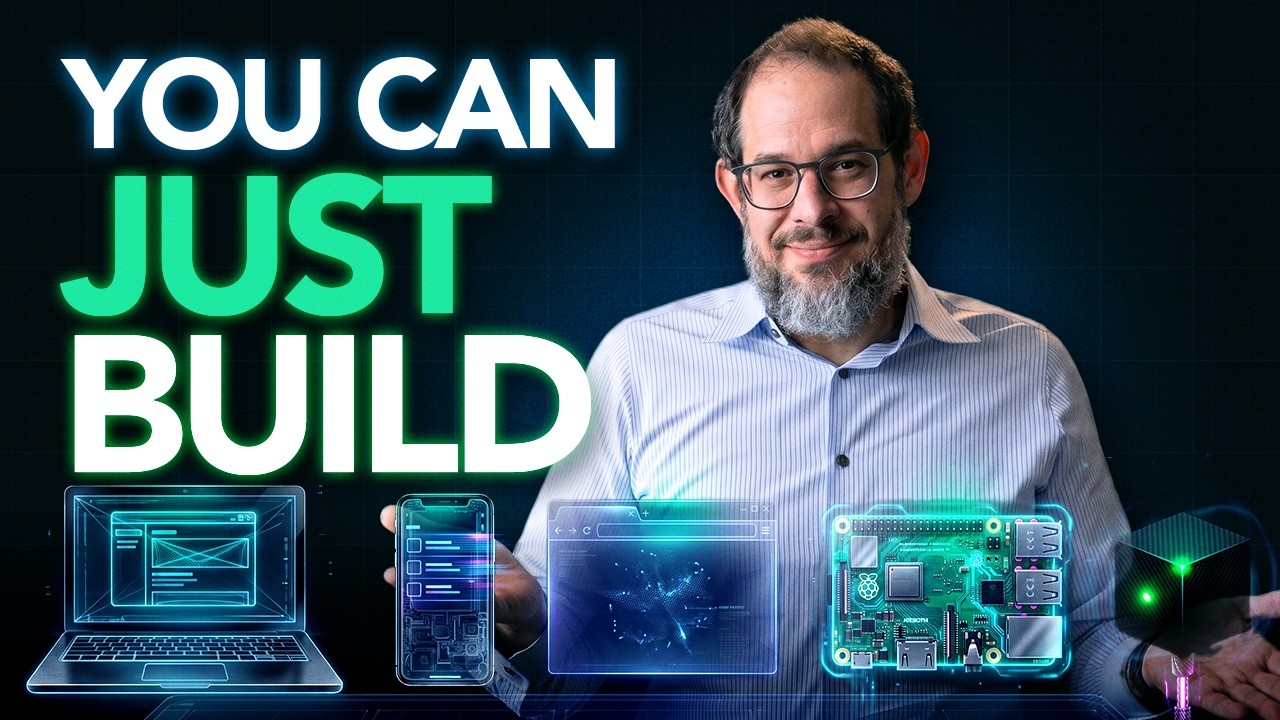
- The core shift is from AI as a helper to AI as a builder, reducing the time and effort required to ship software products.
- Solo founders may face more competition as higher-capability models lower technical barriers for new entrants.
- If development becomes faster and cheaper, defensibility moves toward distribution, niche expertise, brand trust, and retention.
- Tooling speed also matters, with the sponsor message highlighting GitHub Actions workflows running up to 2x faster.
Strategic Actions:
- Assess how advanced AI tools could reduce your product development time.
- Reevaluate your competitive moat beyond code, including brand, niche focus, and customer access.
- Increase execution speed so you can test, launch, and improve offers faster.
- Prioritize customer relationships and retention as key sources of long-term value.
- Review your development stack and workflows for efficiency gains, including build and deployment automation.
The Bottom Line:
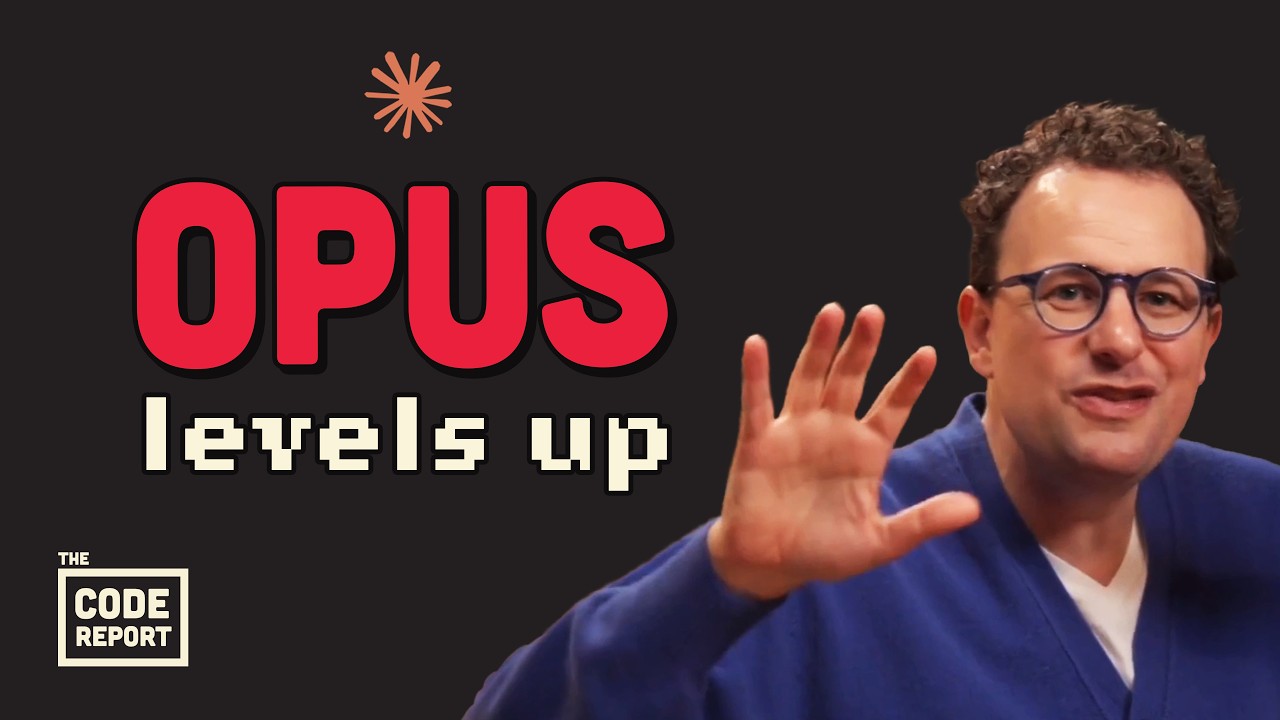
- Anthropic’s Opus 5 suggests AI is moving beyond coding assistance toward handling larger chunks of product creation, which could compress the advantage solo founders once had.
- For small software businesses, that raises the stakes on speed, differentiation, and owning customer relationships rather than relying on code alone as the moat.
Dive deeper > Source Video:
Ready to Explore More?
If you want to turn shifts like this into a practical advantage, we can help our team assess where AI fits in your product, process, and go-to-market strategy. We work with clients to find the real opportunities and build an approach that fits the business.