
Paul’s Perspective:
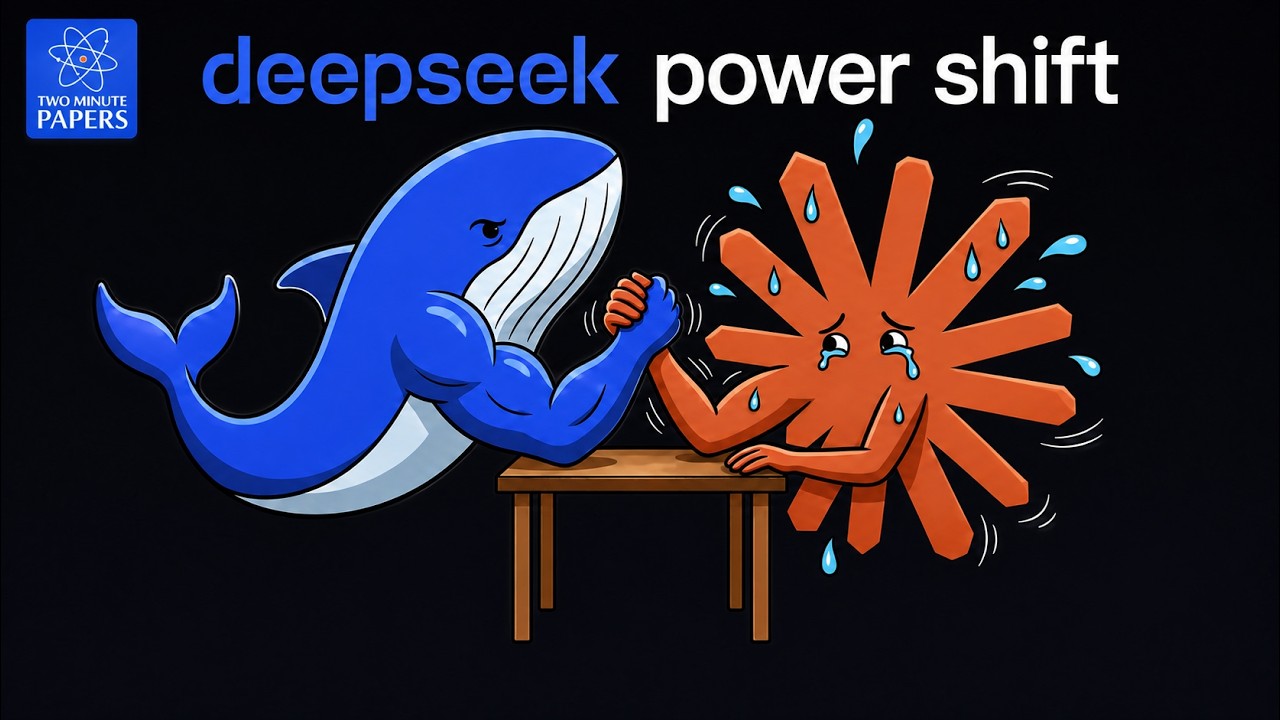
This matters because AI is no longer just a long-term strategy topic; it is a near-term operating advantage. Business leaders who treat AI as a practical tool for execution, experimentation, and speed will be better positioned to outlearn and outperform slower competitors.
Key Points in Video:
- Products that once took years of development can now be built much faster with a small team using current AI tools.
- AI reduces the need for large specialized engineering resources in early-stage product development.
- Teams can iterate more frequently, run more tests, and rebuild with less cost and delay than in previous development cycles.
- The opportunity is immediate and practical, without needing to wait for AGI or other future breakthroughs.
Strategic Actions:
- Recognize that AI is already changing what teams can realistically build today.
- Reassess product, process, and innovation goals based on what smaller AI-enabled teams can now accomplish.
- Use AI tools to accelerate development cycles and reduce time to first version.
- Increase testing and iteration to learn faster and improve offerings more often.
- Focus on practical adoption now rather than waiting for future AI milestones.
- Build organizational understanding early to capture advantage before competitors do.
The Bottom Line:
- AI has already shifted what small teams can build, making it possible to create products in a fraction of the time once required by large engineering groups.
- The real advantage now goes to leaders who recognize this change early and start using AI to move faster, test more, and adapt sooner.
Dive deeper > Source Video:
Ready to Explore More?
If you’re sorting out where AI can create practical gains in your business, we can help our team identify the best opportunities and build a plan that fits how you operate.