Paul’s Perspective:
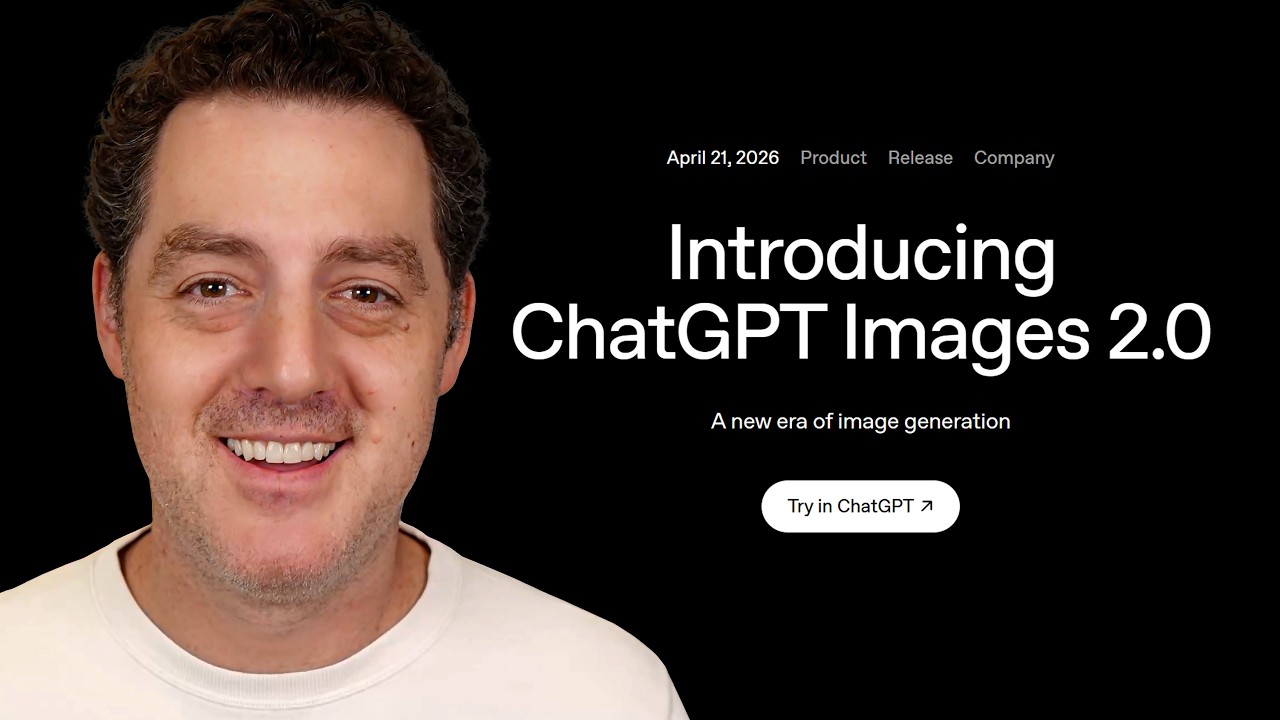
This matters because image generation is moving from novelty to practical business tool. Companies that learn where AI visuals fit into their marketing and content operations can produce more, test faster, and reduce bottlenecks without expanding headcount at the same pace.
Key Points in Video:
- The update centers on image quality gains that make AI visuals more viable for brand, campaign, and product-content workflows.
- Improved realism and finer detail can reduce the gap between draft concepts and production-ready assets.
- Teams creating ads, social media, mockups, and web graphics may be able to shorten turnaround times from days to hours.
- As image generation improves, the competitive advantage shifts from basic access to how well a company integrates AI into repeatable creative processes.
Strategic Actions:
- Review the newest image model’s output quality for realism, detail, and consistency.
- Identify business use cases such as ad creative, social content, concept art, and website imagery.
- Compare AI-generated visuals against current design time, cost, and vendor workflows.
- Set standards for brand alignment, editing, review, and approval before deployment.
- Integrate the tool into a repeatable content production process where speed and volume matter most.
The Bottom Line:
- OpenAI’s latest image model signals a major leap in AI-generated visuals, with results that appear more realistic, detailed, and commercially useful than prior versions.
- For business leaders, this raises the bar for faster creative production, lower content costs, and new opportunities in marketing, design, and digital experiences.
Dive deeper > Source Video:
Ready to Explore More?
If you’re weighing where AI-generated visuals fit in your business, we can help our team assess practical use cases and build a workflow that supports your brand, speed, and budget.