
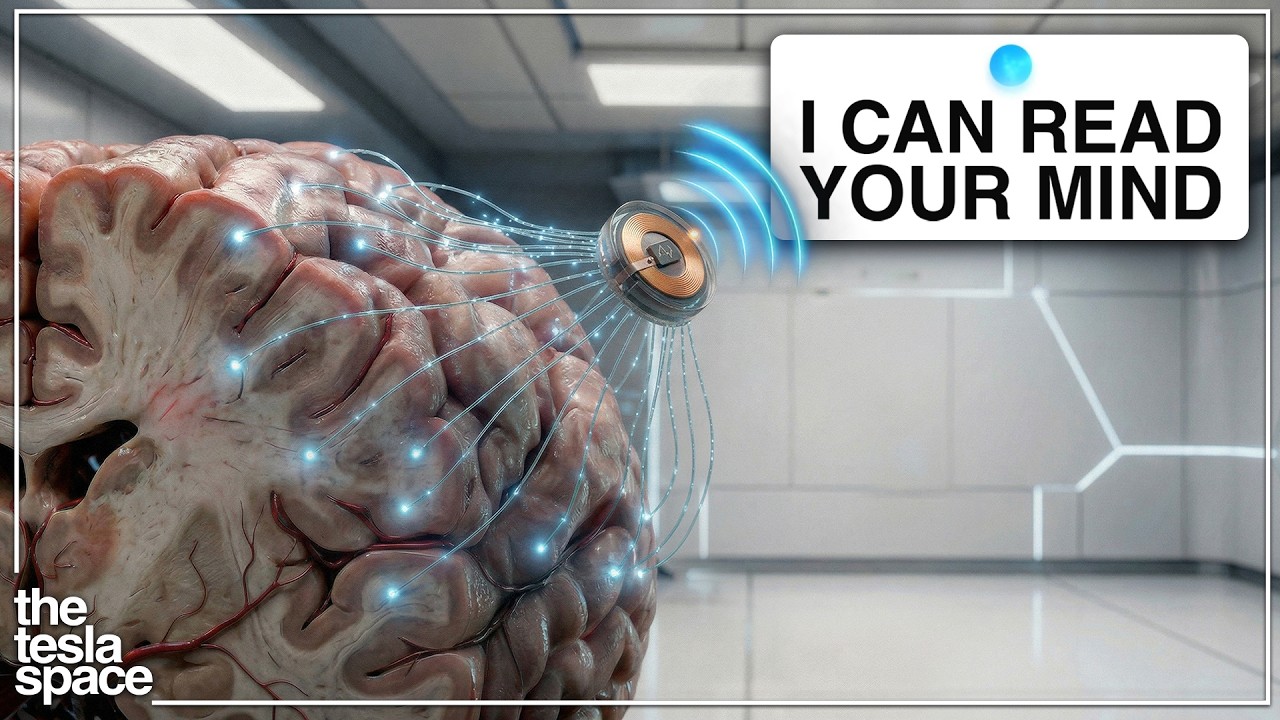
Paul’s Perspective:
BCIs are a front-row example of “deep tech” crossing into operational reality, where the constraint stops being imagination and starts being reliability, safety, and workflow integration. Leaders should care because the winners will be the organizations that can translate breakthrough capability into practical products, regulated go-to-market plans, and ecosystem partnerships that make adoption easy for clinicians, caregivers, and patients.
Key Points in Video:
- Brain-computer interfaces (BCIs) are shifting from lab prototypes toward repeatable procedures, which is the real hurdle for scaling beyond a few patients.
- The biggest business signal isn’t the demo, it’s whether performance is stable over weeks/months and resilient to real-life use (movement, fatigue, home settings).
- Near-term value concentrates in assistive control: cursor/typing, device control, and accessibility workflows that integrate with existing operating systems.
- Watch for proof points: published clinical updates, adverse-event transparency, and clear milestones for broader trials and approvals.
Strategic Actions:
- Separate demo moments from scalable progress by looking for repeatability, safety, and durability over time.
- Track regulatory and clinical milestones (trial size, endpoints, reporting cadence) to gauge real momentum.
- Focus on near-term practical use cases: communication, accessibility, and device control for high-need patients.
- Evaluate ecosystem requirements: software integrations, caregiver workflows, training, and ongoing support.
- Monitor competitive landscape shifts as new entrants and adjacent platforms accelerate investment and talent flow.
The Bottom Line:
- A credible leap in brain-computer interfaces could move Neuralink from headline hype to real-world medical utility.
- If these results hold, expect faster regulatory momentum, more competition, and a clearer path to restoring communication and control for patients with severe paralysis.
Dive deeper > Source Video:
Ready to Explore More?
If you’re evaluating where AI and emerging tech could realistically fit into your product or operations roadmap, we can help you sort signal from noise and map a practical plan. Our team works together to turn big-tech shifts into clear priorities, pilots, and measurable outcomes.