
Paul’s Perspective:
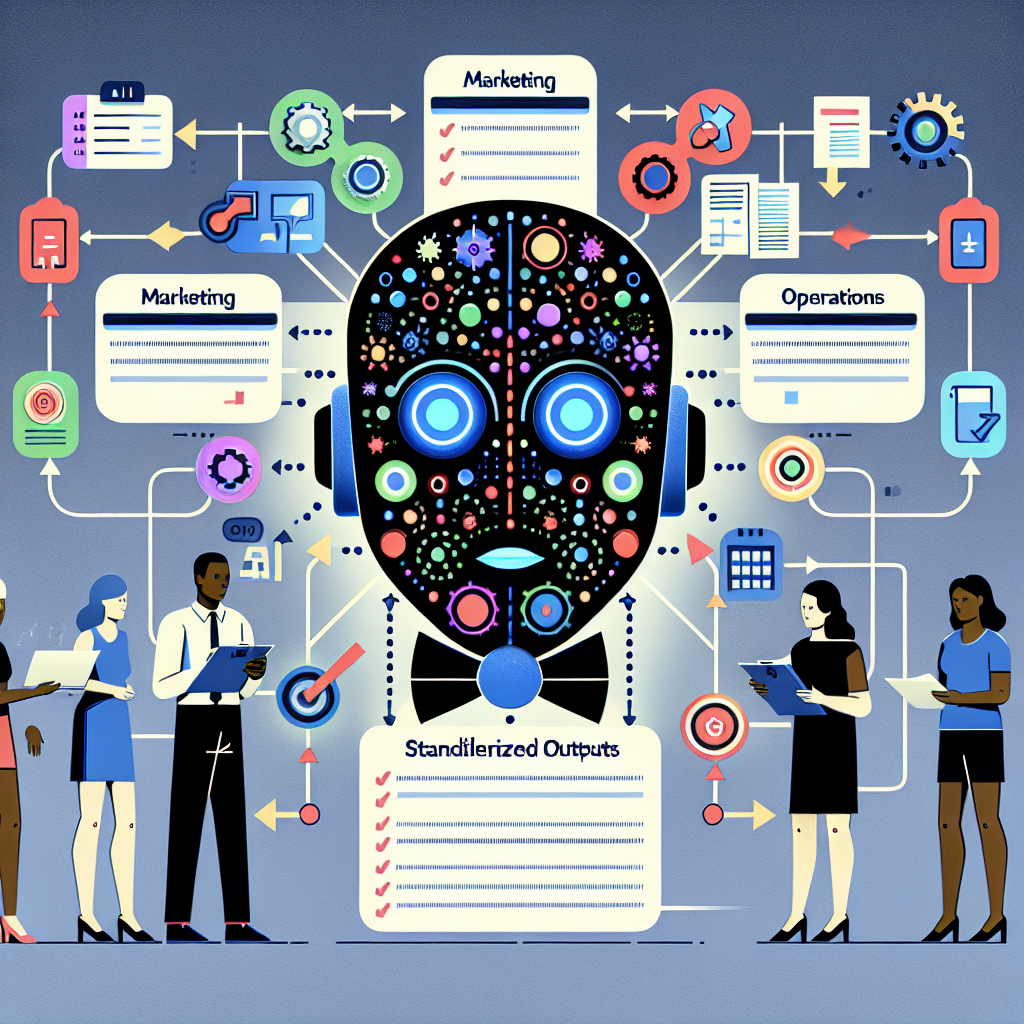
AI doesn’t “learn your business” unless you operationalize context. Treating each chat as a fresh start guarantees drift: different people get different answers, quality becomes personality-driven, and the organization can’t scale what works.
The leadership move is to make context a managed asset: curated, versioned, and embedded into workflows. That shifts AI from ad hoc productivity hacks to a repeatable operating capability with clearer accountability and lower risk.
The tradeoff is upfront effort and governance, but the payoff is consistency, faster onboarding, and fewer brand, compliance, and accuracy mistakes as usage spreads across teams.
Key Points in Article:
- Create a single “source of truth” AI context pack: company overview, offerings, target customers, positioning, differentiators, approved claims, pricing rules, and do-not-say constraints.
- Use role + task + constraints + examples (few-shot) to reduce variability; include a short style guide (tone, reading level, formatting) for repeatable outputs.
- Store reusable prompt components in a shared library (e.g., templates for proposals, job posts, support replies) to cut duplicated effort and improve governance.
- Where possible, connect AI to authoritative internal content (docs, SOPs, knowledge base) rather than relying on chat history; keep the pack versioned and owner-assigned.
Strategic Actions:
- Inventory the recurring AI use cases across marketing, sales, ops, and support.
- Draft a concise company context pack (facts, positioning, policies, exclusions, and definitions).
- Add a style and formatting guide to reduce output variance.
- Build prompt templates that reference the context pack for each major workflow.
- Create a shared prompt/component library and assign an owner for maintenance.
- Version the context pack and set a review cadence tied to product, pricing, and policy changes.
- Integrate authoritative sources (SOPs, knowledge base, approved collateral) into workflows where feasible.
- Train the team on when to use templates vs. freeform prompts and how to report failures.
Dive deeper > Full Story:
The Bottom Line:
- Risk: Most AI tools have no durable memory of your company, so output stays inconsistent and employees waste time re-explaining context.
- Standardize a shared context pack and integrate it into prompts, templates, and workflows so every run starts with the right facts and rules.
Ready to Explore More?
If you want, we can help you build a practical AI context pack and prompt library your team will actually use. Reply and we’ll talk through your highest-volume workflows and how to standardize them.