Paul’s Perspective:
Most companies are treating AI like a one-time tool rollout (train people, write prompts, standardize workflows). The more durable advantage is operational: building a management muscle that continuously detects model boundary shifts, redesigns human-to-agent handoffs, and maintains reliability as the underlying tech changes—because your execution quality will drift unless you actively recalibrate it.
Key Points in Video:
key_points”: “
- The “frontier operations” skillset is framed as expiring on a quarterly cadence as model behavior and capabilities change.
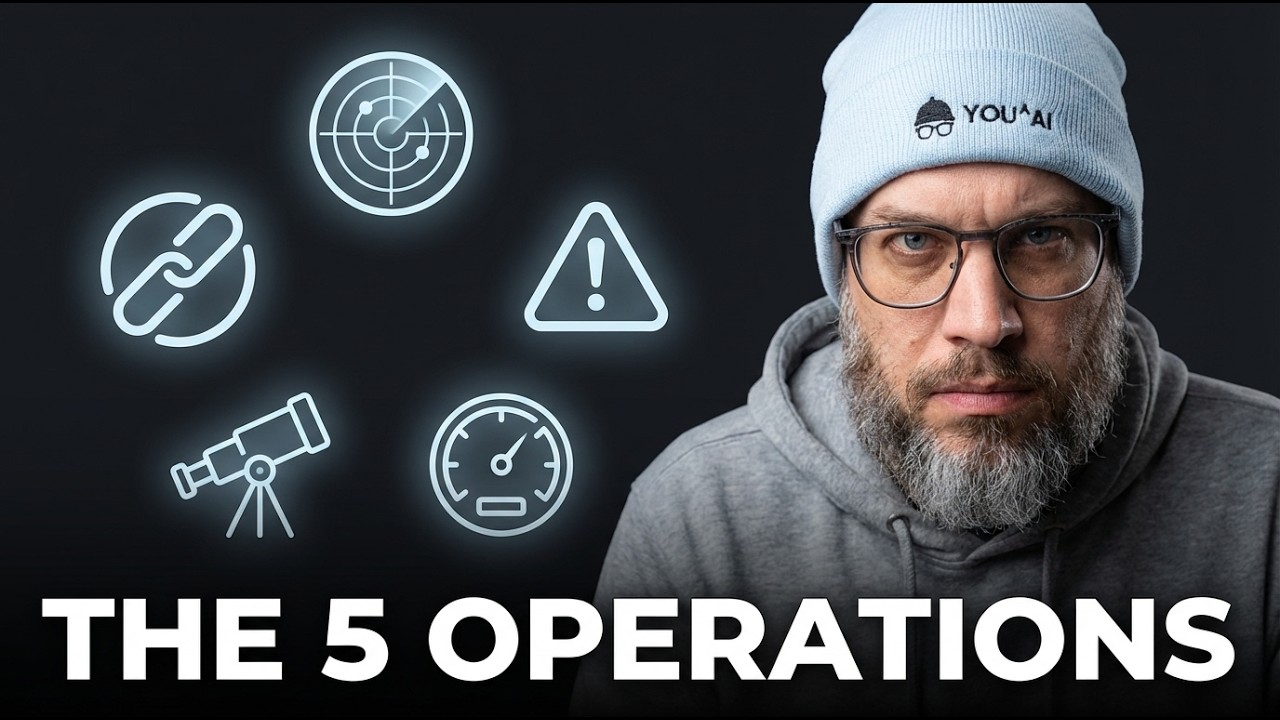
- Five core components are outlined: boundary sensing, seam design, failure model maintenance, capability forecasting, and leverage calibration.
- Agent failures are described as increasingly subtle (not obvious breakages), raising the need for ongoing monitoring and updated failure models.
- Early adopters don’t just get a head start; they accumulate months of calibration that peers can’t quickly replicate.
”
Strategic Actions:
- Adopt the “expanding capability bubble” mindset and assume the surface area (new edges and failure modes) keeps growing.
- Practice boundary sensing to find where current models succeed, degrade, or hallucinate compared to your required standards.
- Design seams that define clean handoffs between human and agent phases, including who validates what and when.
- Maintain failure models by tracking subtle errors, updating checks, and revising workflows as model behavior shifts.
- Forecast capabilities to anticipate near-term changes that will affect your processes, staffing, and risk exposure.
- Calibrate leverage by deciding where agents create outsized value versus where oversight cost outweighs automation benefits.
The Bottom Line:
- AI capability expands so fast that yesterday’s “best practices” become today’s blind spots, making continuous calibration the real competitive edge.
- Leaders who build frontier operations skills—boundary sensing, seam design, and failure maintenance—can keep humans and agents producing reliable outcomes as models shift.
Dive deeper > Source Video:
Ready to Explore More?
If you want to operationalize AI without constant drift in quality, we can help your team map the right human-agent seams, set up practical guardrails, and build a calibration cadence that fits your business. We work collaboratively so your people can keep the system reliable as models change.