
Paul’s Perspective:
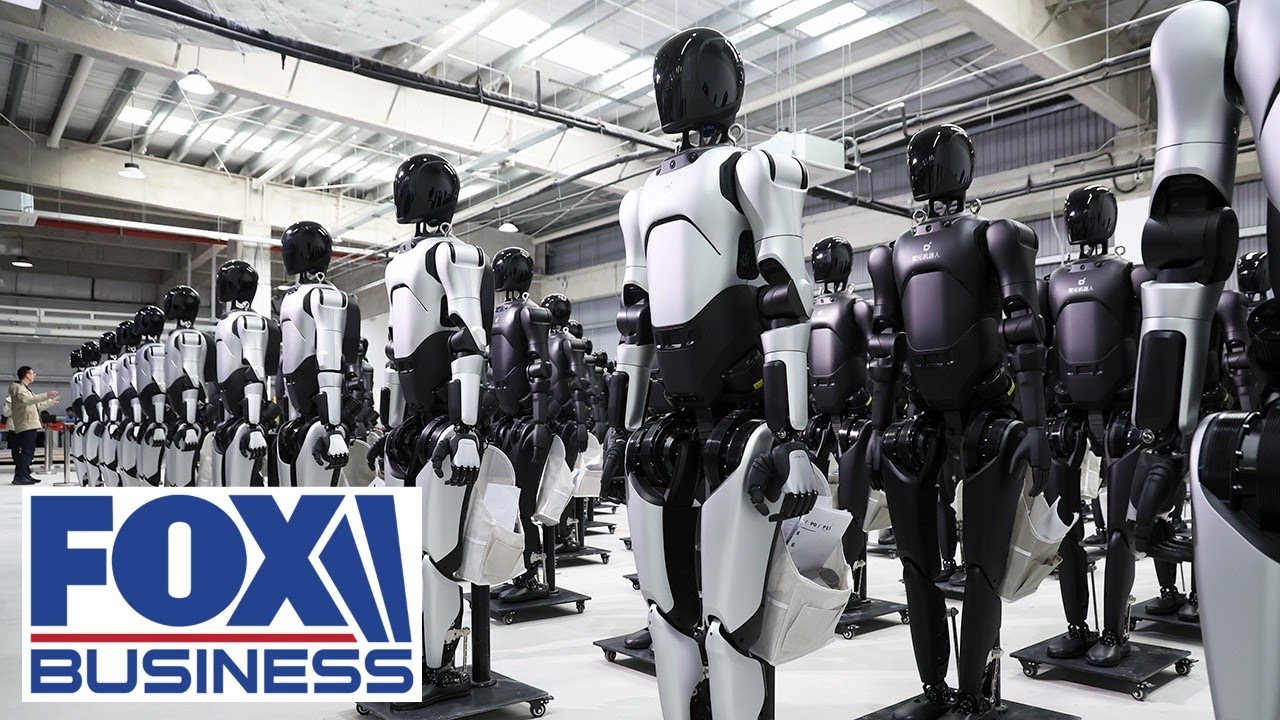
When humanoid robots start scaling in high-stakes environments, it’s a leading indicator that autonomy, perception, and real-world reliability are improving faster than most businesses’ planning cycles. If you wait until competitors are deploying them, you’ll be reacting under pressure instead of shaping a deliberate roadmap for where automation creates advantage and where it introduces risk.
Key Points in Video:
- Highlights a rapid scaling dynamic: “thousands” of units implies deployment is no longer limited to pilot programs.
- Signals dual-use momentum: defense adoption can accelerate cost-down, ruggedization, and supply chains that later spill into commercial industries.
- Points to near-term manufacturing implications, especially in automotive operations where repetitive, hazardous, and labor-constrained roles are prime targets.
- Raises operational requirements beyond hardware: connectivity, monitoring, maintenance, and cybersecurity become part of the robot’s total cost of ownership.
Strategic Actions:
- Identify roles where physical automation would remove safety risk, bottlenecks, or chronic labor gaps.
- Estimate the total cost of ownership (hardware, integration, maintenance, monitoring, training, security).
- Assess facility readiness (workflow design, safety protocols, access control, network connectivity).
- Start with a tightly scoped pilot tied to measurable KPIs (throughput, error rate, downtime, incident reduction).
- Create a change-management plan for staff (re-skilling, new operating procedures, escalation paths).
- Build governance for responsible use (security, compliance, vendor controls, incident response).
The Bottom Line:
- Humanoid robots are quickly moving from lab prototypes to real deployments in defense and industrial settings, accelerating the pace of automation decisions.
- This shift will pressure leadership teams to rethink workforce planning, safety, and capital investment as robots become more capable, connected, and scalable.
Dive deeper > Source Video:
Ready to Explore More?
If you’re weighing where robotics and automation fit into your operation, we can help you map the highest-ROI use cases and build a practical rollout plan. Our team can also support the process redesign, systems integration, and governance needed to deploy safely and profitably.