
Paul’s Perspective:
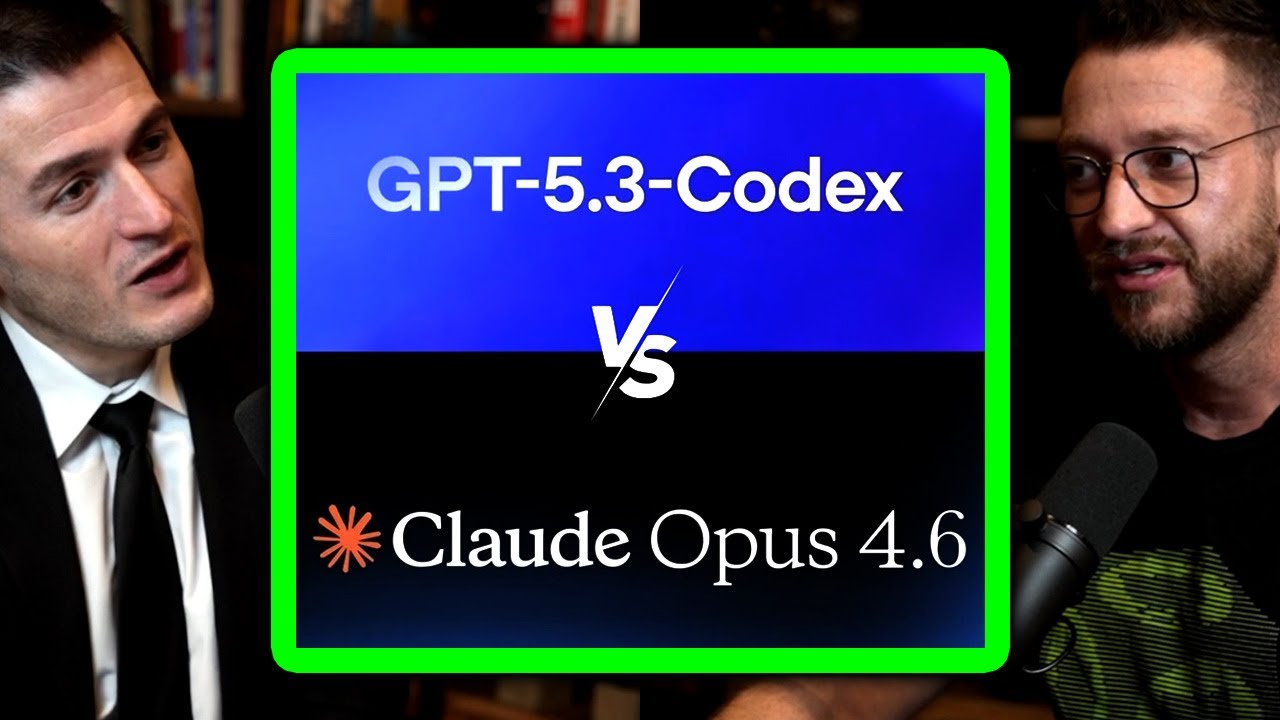
For most companies, the cost of AI-assisted coding isn’t the subscription, it’s the hidden time spent fixing subtle mistakes and re-integrating changes. Knowing which model is more reliable for your specific coding tasks (generation, refactor, debugging, reviews) lets you operationalize AI safely, set expectations with your team, and turn experimentation into repeatable delivery gains.
Key Points in Video:
- Highlights practical evaluation criteria beyond “feels faster,” including code correctness, refactoring quality, and ability to navigate larger codebases.
- Frames when to use a single model vs a two-model workflow (e.g., one for generation, one for review) to reduce defect risk.
- Connects model choice to engineering throughput: fewer back-and-forth cycles, less manual debugging, and better reviewer confidence.
- Useful context from an open-source agent framework builder, bringing an “agentic” lens to how coding assistants behave in workflows.
Strategic Actions:
- Define the coding tasks you care about (new features, bug fixes, refactors, tests, code review).
- Run the same representative prompts and repo-context scenarios across both models.
- Score outputs on correctness, readability, and how well changes fit existing architecture and style.
- Test performance on larger-context work (multi-file changes, dependency navigation, and regressions).
- Decide on a workflow: single-model, or paired models (generate vs critique/review).
- Roll out with guardrails: human review, CI checks, and clear “done” criteria.
- Measure impact over time (cycle time, defect rates, review time) and iterate on prompts and model selection.
The Bottom Line:
- Two leading coding models are compared on real programming work to surface where each one is stronger and where it breaks down.
- That clarity helps teams pick the right tool for their stack, reduce rework, and speed up delivery without betting everything on one model.
Dive deeper > Source Video:
Ready to Explore More?
If you want to turn AI coding tools into a dependable workflow, we can help your team evaluate models against your real codebase and set up a practical rollout with the right guardrails. We’ll work alongside your engineers to reduce rework and improve delivery speed without adding process overhead.