
Paul’s Perspective:
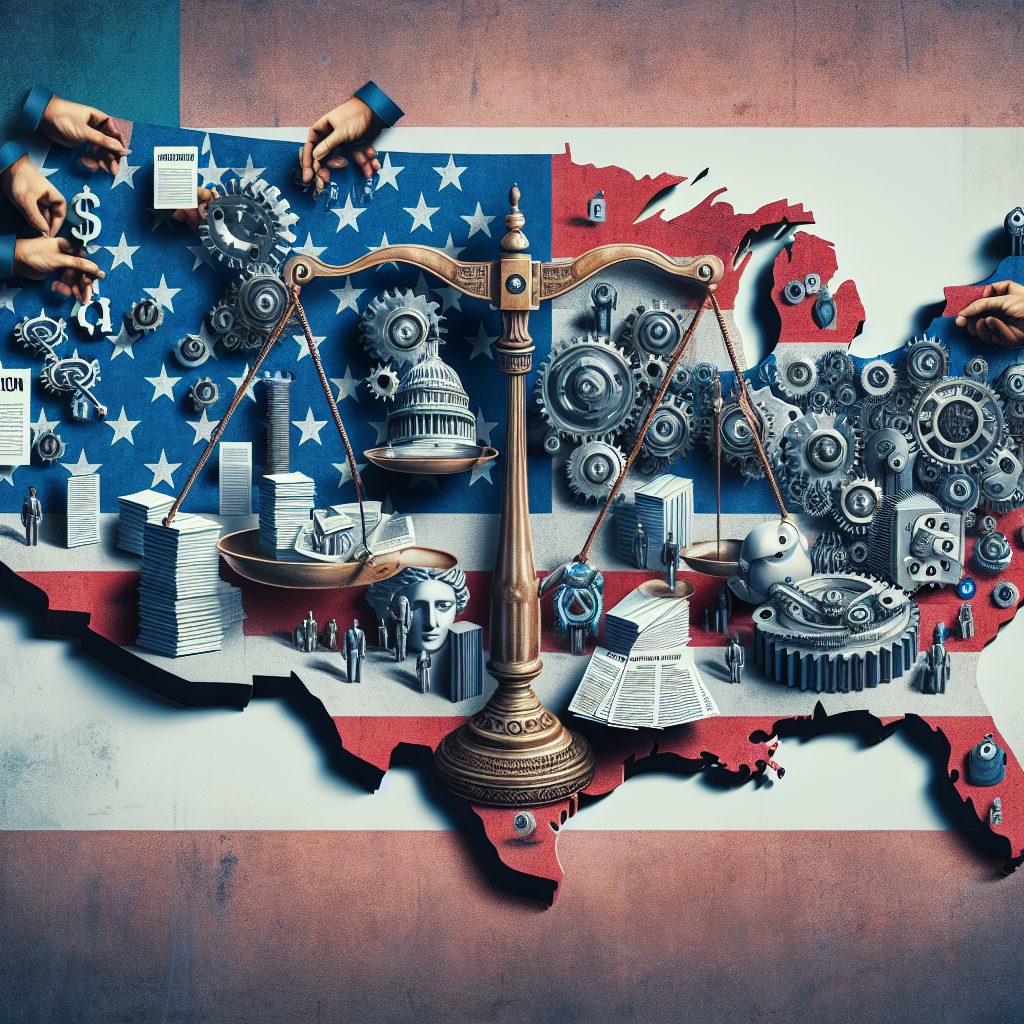
AI policy isn’t just a legal issue; it’s turning into a structural constraint on product design, vendor selection, and speed to market. When different jurisdictions define “high-risk” AI, disclosures, and accountability differently, the same workflow can be compliant in one state and problematic in another.
Leaders have a choice: wait for clarity and accept rework later, or build a compliance-ready operating model now. The second path costs more upfront, but it reduces disruption, strengthens negotiating leverage with vendors, and protects the business when regulators or customers ask, “prove it’s safe and fair.”
Key Points in Article:
- Patchwork regulation is likely to expand as states move faster than Washington, raising compliance costs for multi-state operations.
- Rules commonly target high-impact use cases (employment, lending, housing, healthcare) where audits, documentation, and transparency are expected.
- Vendor-provided AI can shift liability back to the buyer through contract language, weak indemnities, or limited audit rights.
- Data provenance, model explainability, and human oversight are becoming baseline controls for regulated or customer-facing AI.
Strategic Actions:
- Map all current and planned AI use cases, including embedded AI in third-party tools.
- Classify use cases by risk level, focusing on regulated or high-impact decisions.
- Define governance: owners, approval gates, documentation standards, and human-in-the-loop requirements.
- Establish data controls for consent, provenance, retention, and access.
- Implement monitoring for drift, bias, and performance, with clear escalation paths.
- Update vendor contracts for audit rights, incident reporting, transparency, and indemnities.
- Create a regulatory watch process across states and federal agencies and translate changes into policy updates.
Dive deeper > Full Story:
The Bottom Line:
- Conflicting state and federal AI rules are becoming a real operating risk for companies building or buying AI.
- Audit where AI touches decisions and data, then standardize governance and vendor terms to stay compliant across jurisdictions.
Ready to Explore More?
If you’re deploying AI across multiple teams or locations, we can help you map the real risk areas and put simple governance and vendor guardrails in place. Reply if you want to compare notes on your current AI use cases and contracts.